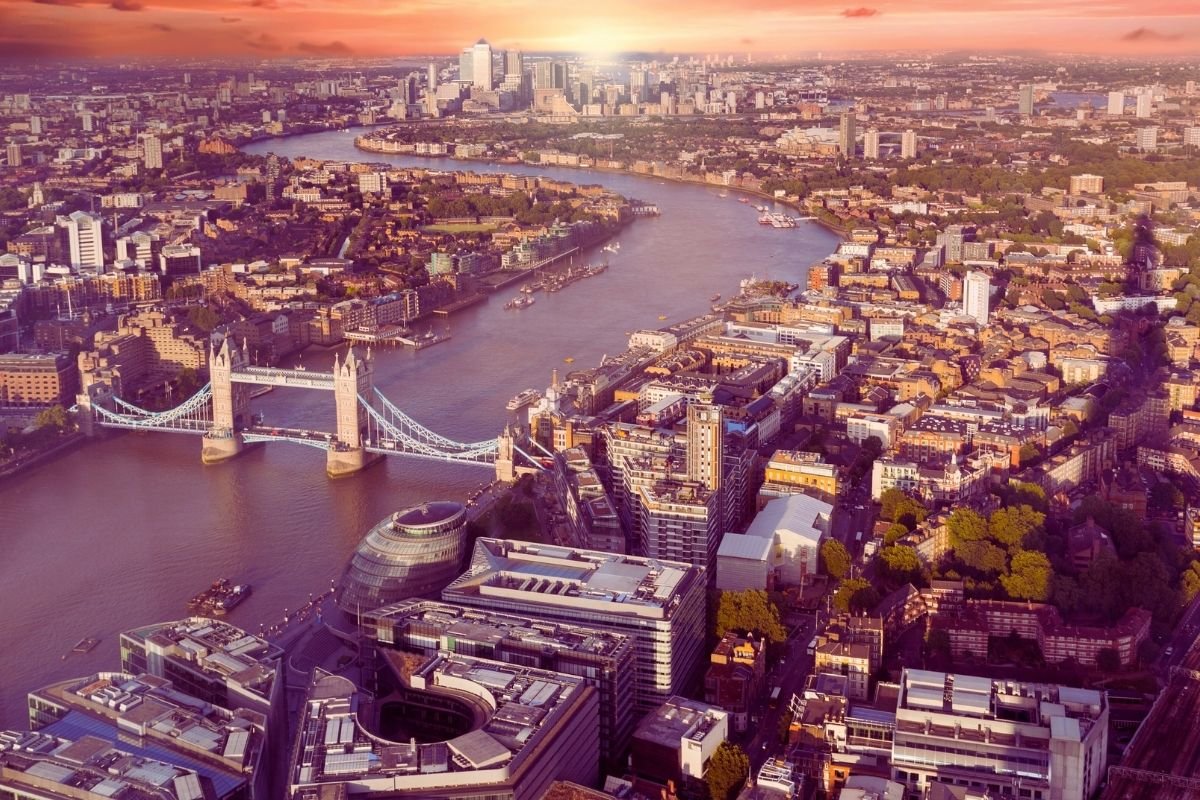
This guide is TripsCity-style on purpose: not a random list of areas with vague praise. It’s a strategy for choosing a base that makes the city feel forgiving — so your days stay clean, not heavy.

The right base doesn’t change your map — it changes how London feels in your body by day three.
The London Base Rule: The Two-Return Test
Most first-time visitors learn this too late: in London, you don’t “return home” once. You return home twice — once mid-day (weather shifts, feet complain, energy drops) and once at night. If those two returns feel heavy, the trip starts bleeding time: you avoid going back out, you stay near whatever is closest, you choose convenience over what you actually came to see.
So don’t ask, “Is it central?” Ask: Is it connected in a way that feels effortless when I’m tired? A base can be slightly outside the postcard center and still be perfect if it gives you a clean line into the city. And a base can be in Zone 1 and still be a bad choice if it forces awkward transfers or long walks to the station.
To test this before you book, run your “two-return test” using
TfL Journey Planner
from the nearest station to your hotel idea.
Your target: reach your daily core (West End / key museums / the river corridor / major hubs) in 20–30 minutes with 0–1 line change. If you can do that, London feels calm. If you can’t, London becomes expensive — even when your hotel price looks “good.”
What “Central” Actually Means in London (Zones Without the Stress)
“Central” in London isn’t a single point — it’s a belt. Most tourist-friendly bases sit in Zone 1 or on the inner edge of Zone 2 near a strong station. That edge is where many smart travelers win: you pay less without paying with your time.
London is walkable inside neighborhoods, but the common mistake is assuming you can walk between neighborhoods all day. The scale makes that romantic idea feel fine on day one and punishing on day four. The base that wins is the one that gives you a clean morning start and a clean night return — even when you’re not in the mood to be “efficient.”
Related London Guides (TripsCity)
- How to Get Around London (2026)
- London Public Transport Costs Explained (2026)
- London Budget Guide 2026
- London Safety Guide 2026
Quick Decision Table: Pick Your Base Like a Planner (Not a Dreamer)
| Your travel style | Base that usually works | Why it holds up in real life |
|---|---|---|
| First-time visitors | Bloomsbury / Marylebone edge / Covent Garden edge | Core feel + strong stations + flexible day flow |
| Families (kids + stroller logistics) | South Kensington / Paddington (quiet pockets) | Predictable returns + calmer nights + direct connections |
| Budget travelers who still want a smooth trip | Inner Zone 2 near strong lines (Hammersmith / Stratford / Canada Water) | Lower prices without turning every day into commuting |
| You hate transfers | King’s Cross–St Pancras / Paddington / London Bridge | Multiple lines = fewer “bad transport days” when plans shift |
| Museums + classic sights | South Kensington / Bloomsbury | Museum density + reliable routes + less wasted time |
The Calm vs The Chaos: The London You End Up Living Inside
London has two versions, and your base decides which one you live inside. The Calm London is quiet mornings, clean starts, and the feeling that you control the day. The Chaos London is loud streets, tired returns, and that constant “we’re late again” pressure. Many travelers accidentally choose chaos because they optimize for one thing — a famous postcode, a pretty hotel photo, or a low price — and forget the daily cost of friction.
Below, I’m not just naming areas. I’m describing how they behave when you’re tired, when it’s raining, when plans shift, and you need London to stay simple.
Best Areas to Stay in London (2026): The Bases That Hold Up
This shortlist consistently works because it protects the basics: strong connections, walkability inside the area, and a reliable return home. London has many great pockets — but if you want the city to feel easy, start here.
1) Bloomsbury: Quiet-Connected, Central Enough to Feel Easy
Bloomsbury is one of those rare London bases that feels “in it” without feeling swallowed by it. It’s calmer at night, clean in the morning, and positioned in a way that reduces the number of decisions you have to make. For first-timers, that matters more than vibes.
Why it works in real life: you can walk into the core, and when you need the Tube you’re not trapped in one awkward route. If weather turns or energy drops, you can reset without losing half the afternoon.
- Best for: first-time visitors, museum-heavy trips, travelers who want quieter nights.
- Feels like: calm streets, a protected sleep rhythm, central without pressure.
- Watch for: smaller rooms in older buildings; check photos and bathroom size carefully.
2) South Kensington: The Museum Base That Makes Days Predictable
If your plan includes museums and structured days, South Kensington is one of the most forgiving bases in London. It reduces “transport thinking” — which is exactly what drains first-time visitors. Your mornings start strong and your returns stay clean.
- Best for: families, museum lovers, travelers who want a reliable rhythm.
- Feels like: polished, calmer, classic London without the heaviest crowd pressure.
- Watch for: premium prices; if budget is tight, consider the edges or an inner Zone 2 base with a direct line.
3) Paddington: The Logistics Base That Wins When You Value Simplicity
Paddington is chosen by travelers who care more about the trip running smoothly than the hotel looking trendy. It’s functional, well-connected, and resilient when plans change. When London throws small problems at you, options keep the day from breaking.
- Best for: short trips, airport convenience, travelers who want fewer complications.
- Feels like: practical, “get up and go” London.
- Watch for: choose your exact street carefully; some roads are busy and can feel loud at night.
4) Marylebone: The “Quiet-Polished” Base That Still Feels Close
Marylebone is what many travelers think they’re booking when they say, “I want London to feel elegant, but not intense.” It’s calm without feeling empty, polished without feeling sterile, and close enough to the core that you don’t feel like you’re commuting into your own trip every morning.
What Marylebone does well is protect the middle of the day. When your schedule shifts — when rain starts, when you decide to change plans, when you need a break — a good base lets you reset without losing the afternoon. Marylebone often gives you that. It’s the kind of area where you can return, breathe, and still go back out without feeling like you’re starting a second journey.
- Best for: couples, first-timers who want calm, travelers who value sleep and “clean days.”
- Feels like: quiet streets, soft London, a more “local” pace without being far.
- Watch for: it can be pricey; value comes from the calm + location combination.
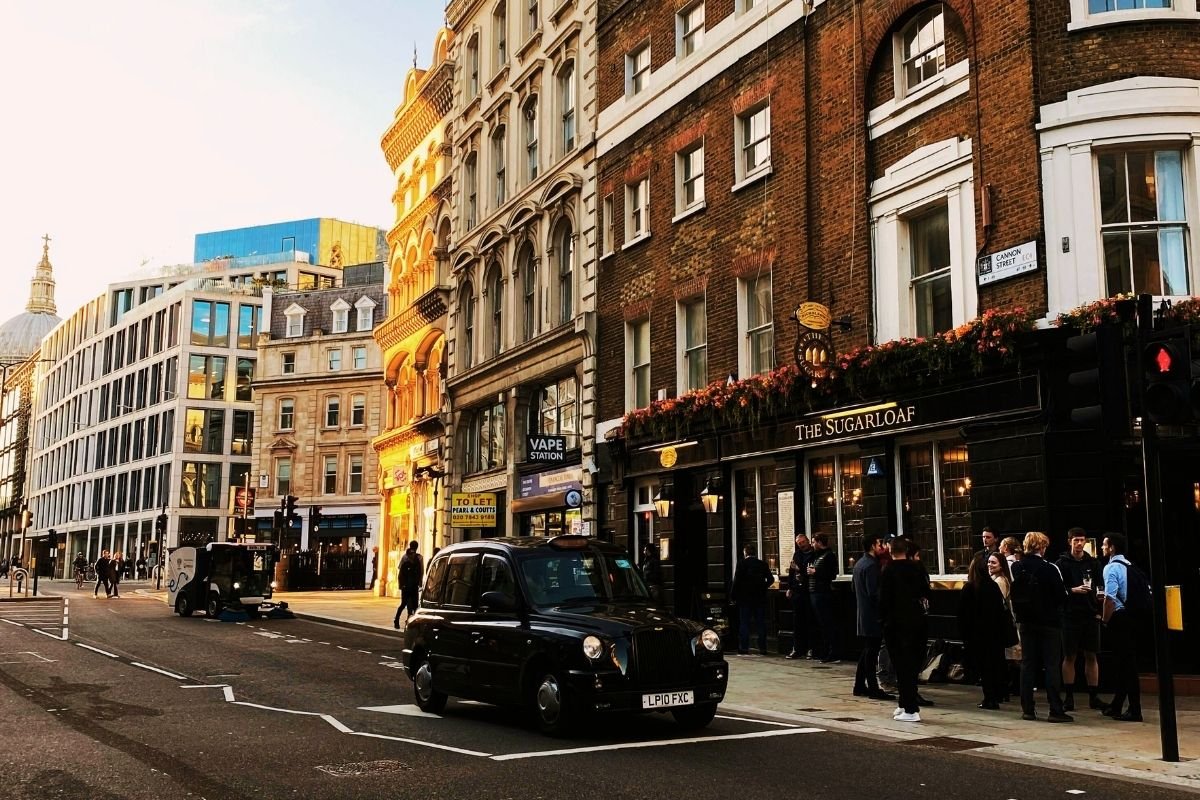
Marylebone is where London feels polished — without the constant pressure of the busiest streets.
5) Covent Garden (Edge) & Holborn: The “Walkable Core” Base (If You Can Handle Energy)
If your dream London is: step outside and feel like you’re already in the city — this is your zone. Covent Garden and Holborn (especially around the edges) can deliver a high-intensity version of London that makes sightseeing feel effortless. You walk more. You rely less on the Tube. Your mornings start strong because you’re not “traveling to London” — you’re already inside it.
But this base has a real cost: energy. The same area that feels thrilling at noon can feel heavy at night. If you’re a light sleeper, or you need calm to recharge, you can end up paying for location with sleep quality. And in London, sleep quality affects everything: your start time, your mood, your ability to handle crowds, and the number of “extra days” you can sustain.
- Best for: first-timers who want maximum walkability, short trips, travelers who want “core London” at the door.
- Feels like: busy, lively, constant motion — the center of the postcard.
- Watch for: noise and price; choose side streets, not main arteries.
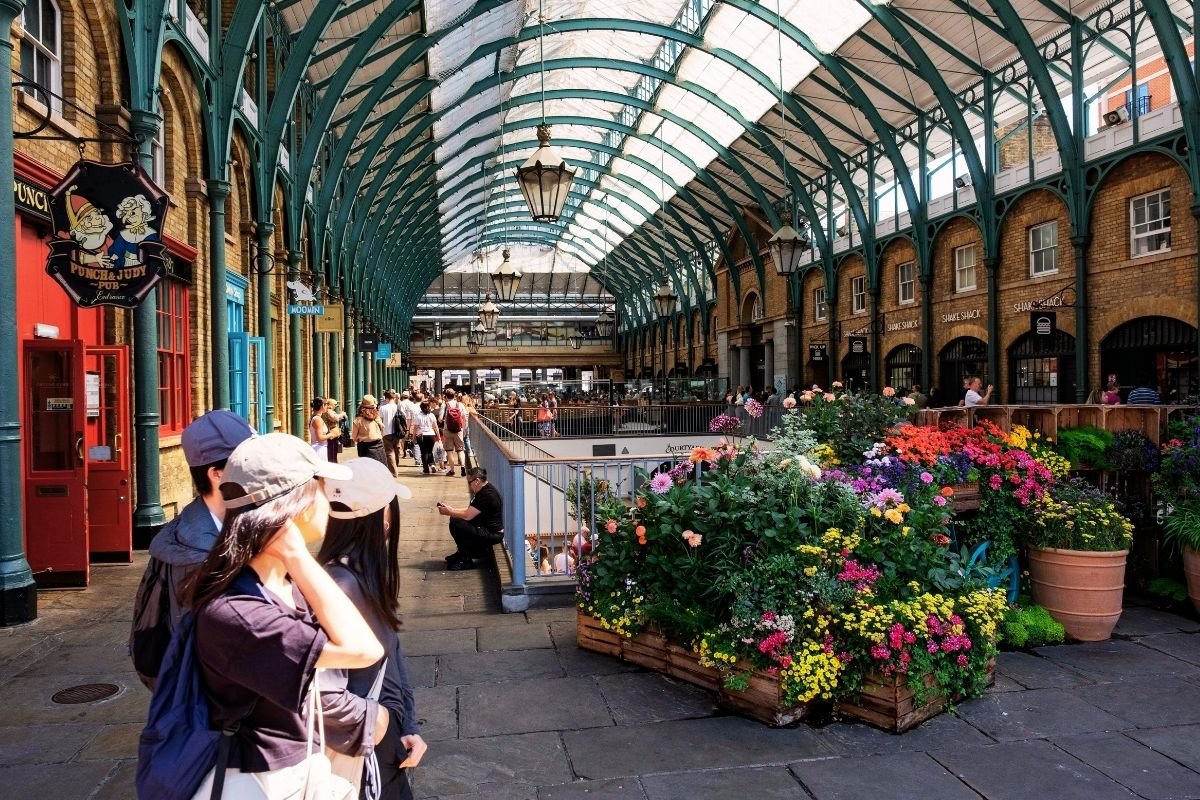
Covent Garden is a powerful base — but it’s not a “quiet recovery” base.
6) King’s Cross–St Pancras: The “Connection Hub” That Saves You on Transfer Days
Some bases win not because they’re beautiful, but because they’re strategic. King’s Cross–St Pancras is one of those. It’s a base for travelers who care about range: you want to move across London without thinking too hard, and you want fewer “bad transport days” when plans change.
This matters more than people realize. London plans rarely stay clean. A museum takes longer. A line is delayed. Weather shifts. Someone gets tired. And suddenly the day becomes improvisation. A base near a major interchange gives you options — and options keep a trip from breaking.
- Best for: travelers doing day trips, people arriving by train, anyone who hates transfers.
- Feels like: functional London, fast movement, less romance but more control.
- Watch for: exact micro-location; some streets are calmer than others.
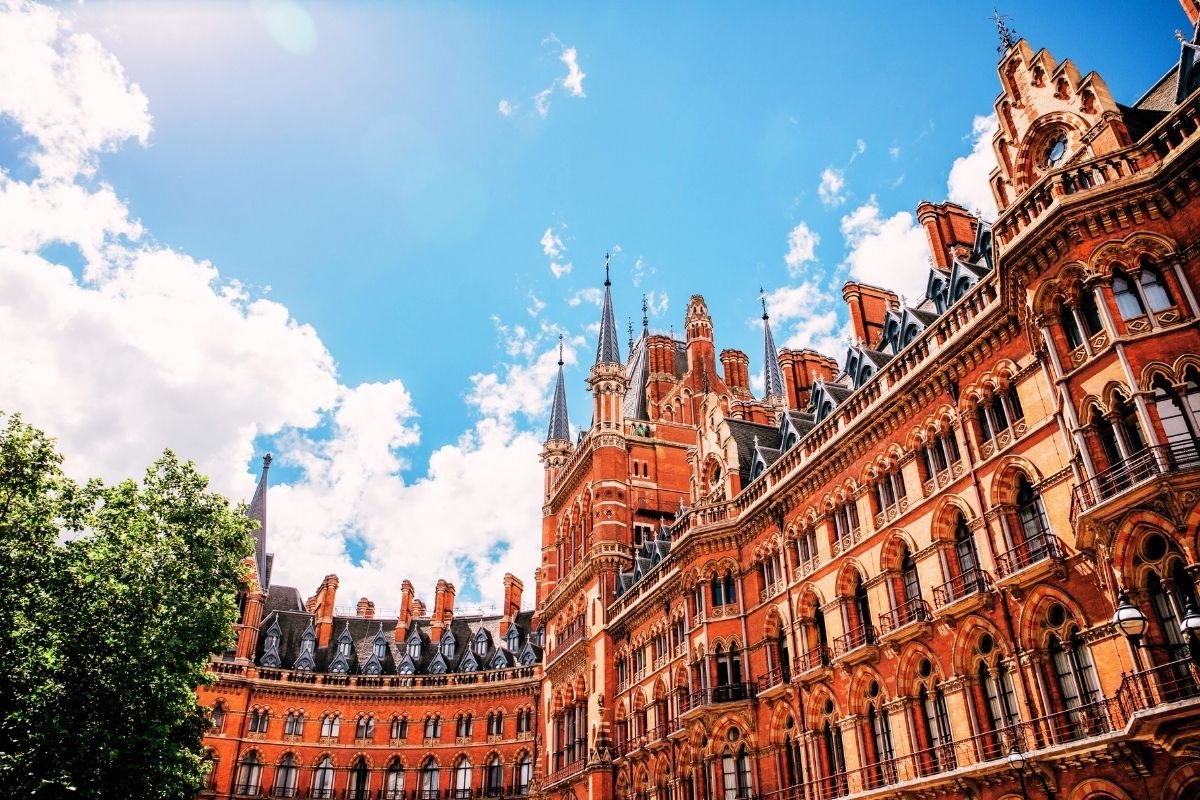
King’s Cross is a base for people who want London to stay flexible, even when the plan shifts.
7) London Bridge & South Bank (Edge): The River-Corridor Base That Feels “London”
There’s a version of London that feels most like the movies: the river corridor, the bridges, the long walks where the city opens up in front of you. London Bridge and the South Bank edge can give you that feeling fast. The base advantage here is emotional: you feel anchored inside “London London” — not just inside a random postcode.
Practical advantage: you’re close to major connections, and you can build days around the river without constantly switching lines. If your travel style is “walk + landmarks + return when tired,” this base can work extremely well.
- Best for: couples, first-timers who want the river experience, travelers who love walking.
- Feels like: iconic, scenic, open-air London.
- Watch for: prices; also choose carefully if you’re sensitive to crowds in peak seasons.
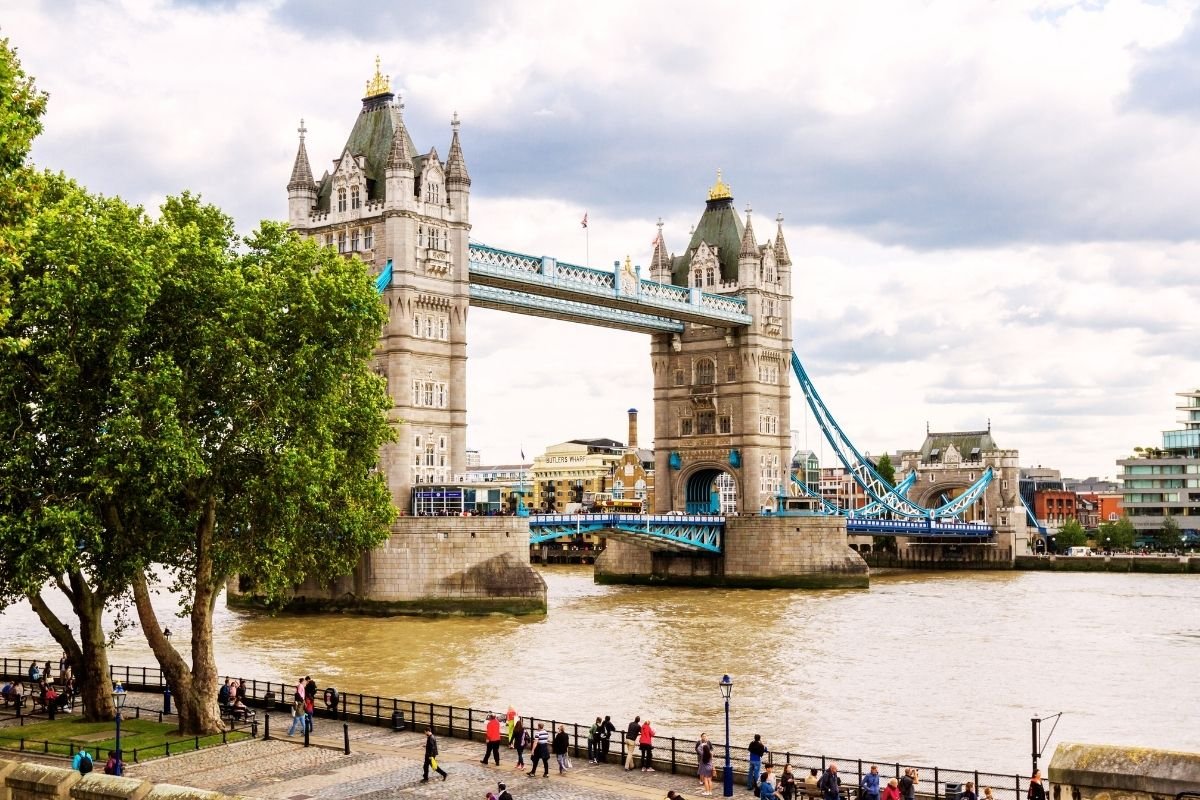
South Bank bases win when your London rhythm is walking, landmarks, and clean returns.
8) Hammersmith: The Budget-Strong Base That Still Feels “Easy”
If you want to spend less without turning your trip into commuting, Hammersmith is one of the smartest inner Zone 2 bases. It’s not a tourist postcard area — and that’s the point. It’s a base that works because it behaves: good connections, straightforward movement, and prices that are often kinder than Zone 1.
Hammersmith’s real value is that it supports a normal human trip. You can go out in the morning without dread, return without drama, and still have energy left for the evening. That’s what budget travelers actually need — not just a cheaper room.
- Best for: budget travelers who still want smooth days, longer stays, repeat visitors.
- Feels like: practical, less tourist-heavy, a more normal London pace.
- Watch for: choose a hotel close to the station; distance-to-station matters here.
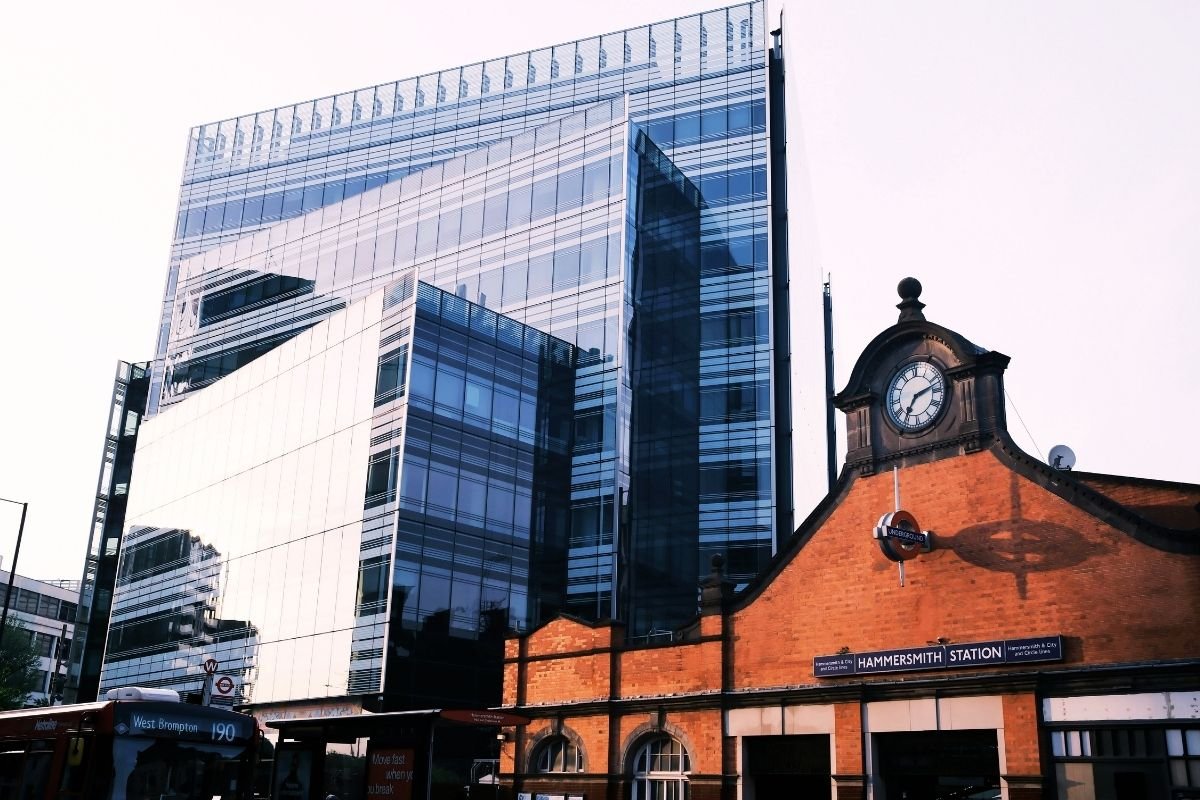
Hammersmith is the kind of base that keeps London affordable without making it hard.
9) Stratford: The “Modern + Connected” Base (Great Value, Different Feel)
Stratford is a base many first-timers ignore because it doesn’t match their romantic image of London. But for value and connections, it can be very effective. It’s modern, fast-moving, and built for flow. If you like clear logistics and you don’t need London to feel “old-world” the moment you leave your hotel, Stratford can keep your trip efficient.
The honest trade-off is vibe. Stratford feels more modern and commercial. Some travelers love that. Others feel disconnected from the “classic London mood.” This is why we treat bases as travel-style decisions, not “good vs bad.”
- Best for: budget/value travelers, people who like modern areas, travelers who prioritize smooth transport.
- Feels like: modern, open, built-up, less historic texture.
- Watch for: if your goal is “historic London outside the door,” choose a different base.
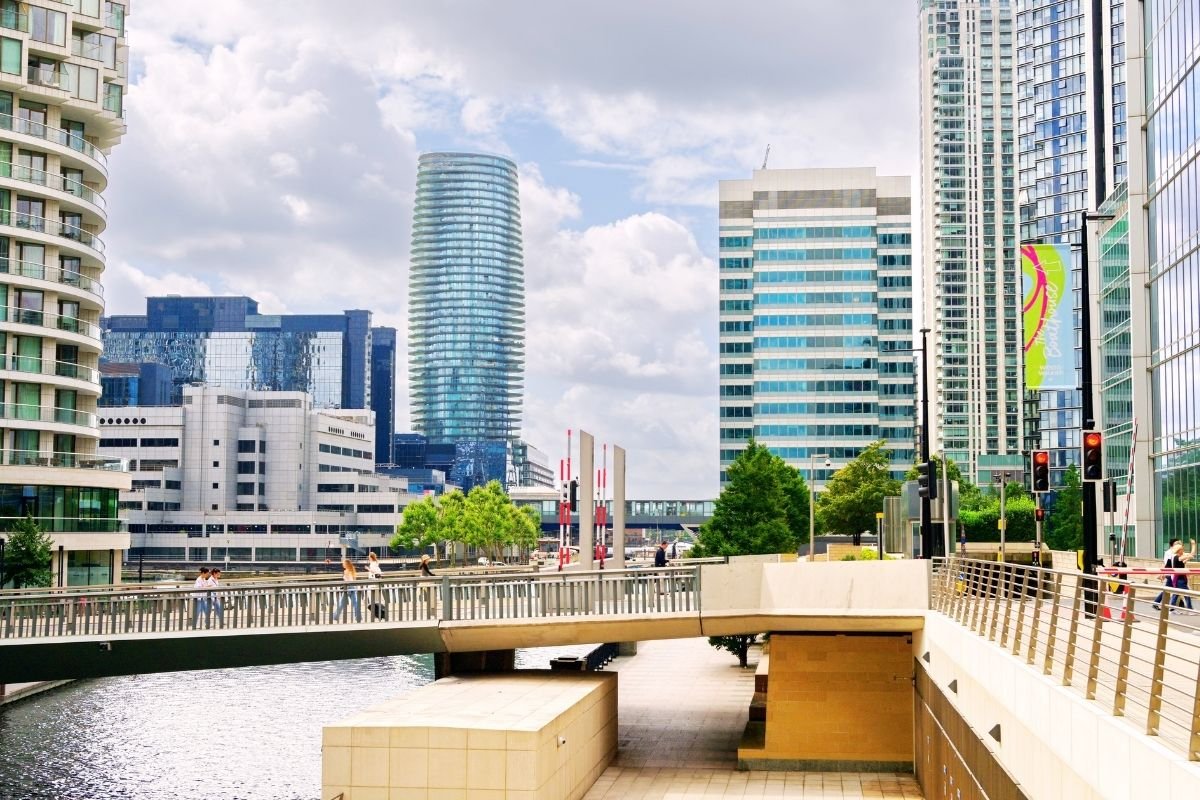
Stratford wins on efficiency and value — but the feel is modern, not postcard-historic.
10) Greenwich: The Calm Family Base (If You Don’t Mind Being Slightly Outside)
Greenwich is the “breathe” version of London. It’s calmer, more spacious, and often loved by families who want the city to feel kinder at the end of the day. You don’t stay in Greenwich because you want to sprint through London. You stay there because you want the trip to have a softer rhythm.
The trade-off is that you accept being a little outside the core. That’s fine if your base is planned. What ruins people is choosing “calm” without ensuring it’s still connected in a way that feels effortless.
- Best for: families, longer stays, travelers who want calmer evenings.
- Feels like: quieter, greener, slower London.
- Watch for: make sure your route to the core is simple; avoid bases that require multiple awkward changes.
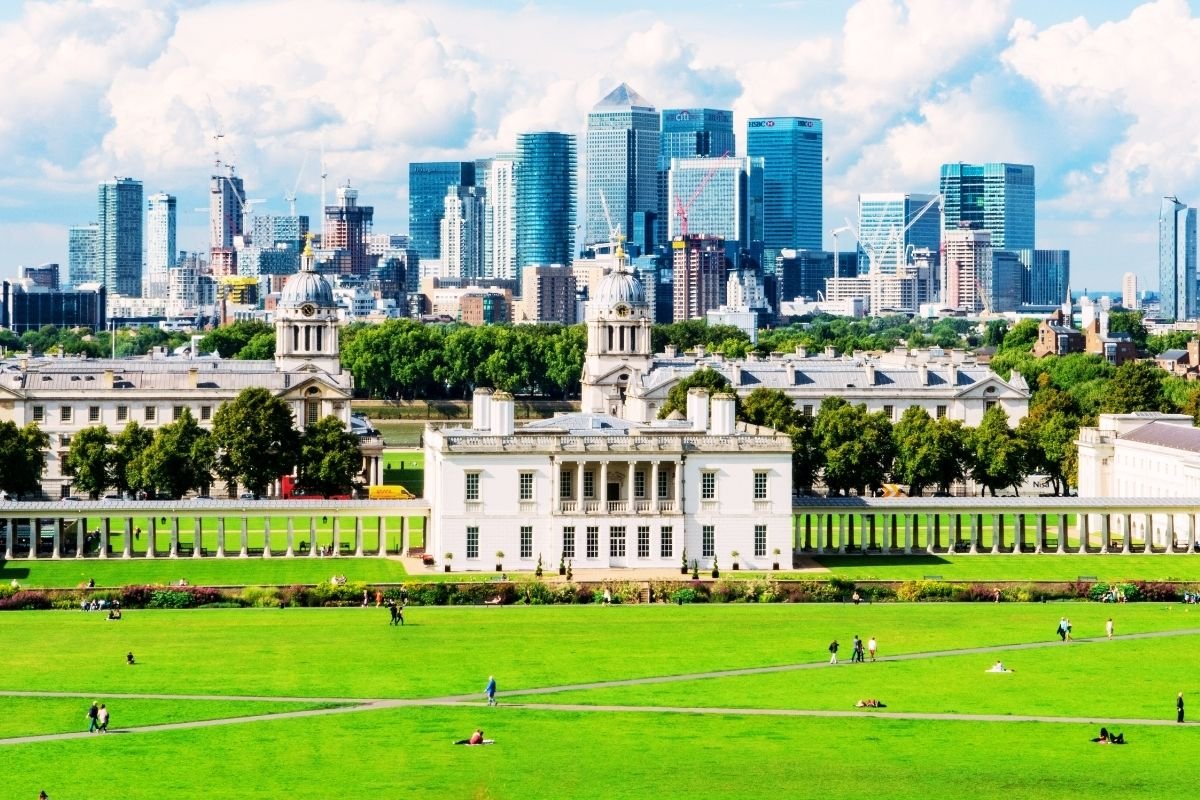
Greenwich is a base for travelers who want London to feel softer — especially at night.
Areas You Should Treat Carefully (Not “Avoid,” Just Be Honest)
Every big city has areas that are fine in daylight but feel heavy when you’re tired, lost, or returning late. London is no different. The goal here is not fear — it’s realism. Some areas create more friction for first-time visitors because they are loud, less forgiving, or require more transport thinking than your trip deserves.
- Very busy late-night corridors: can be loud and sleep-killing. (If you’re a light sleeper, choose side streets.)
- Far-out “cheap deals”: can turn the trip into commuting. Your budget savings vanish in time and fatigue.
- Stations with awkward links: where you constantly change lines — these bases feel fine on paper and exhausting in real life.
If you want London to feel easy, choose the base that reduces decisions — not the base that looks cheapest in a screenshot.
Related London Guides (TripsCity)
- How to Get Around London (2026)
- London Public Transport Costs Explained (2026)
- London Budget Guide 2026
- London Safety Guide 2026
How Much Should You Pay? (London Hotel Prices in 2026 Without the Fantasy)
When people ask where to stay in London, they often ask it like a dream question: “Which area is best?” But the reality question is sharper: what price are you willing to pay for an easy day?
London hotel pricing doesn’t just reflect “quality.” It reflects friction. The closer you are to clean connections and a forgiving day-flow, the more you usually pay. And the further you go for “cheap deals,” the more you pay back in time, exhaustion, and small daily spending.
Here’s the honest rule:
A cheap hotel that forces long commutes is rarely cheap. It often becomes expensive in quiet ways: extra transport, rushed meals, earlier nights, fewer neighborhoods, and “we’ll do it tomorrow” days that never happen.
Quick Price Reality Table (What London Usually Costs)
| Base type | Typical feeling | What you usually pay (range) |
|---|---|---|
| Zone 1 walkable core | Easy days, high energy, high demand | High (often the top tier) |
| Zone 1 calm-connected pockets | Central without pressure | High–Mid (depends on season) |
| Inner Zone 2 near strong stations | Best “value + ease” balance | Mid |
| Outer zones for “cheap deals” | Commuting-heavy, tiring returns | Low (but often false economy) |
Note: London prices swing hard by dates, events, and weekends. This table is about behavior, not exact numbers.
The Booking Rules That Keep London Easy (Even If Your Area Is Good)
Even in a “good” neighborhood, the wrong micro-choice can turn the stay into friction. These are the rules that save you:
- Rule 1: Stay close to a station. In London, “15 minutes walking” becomes a different number in rain, with bags, or at night.
- Rule 2: Check the line, not just the map. If your daily plan needs constant transfers, your base will feel heavy.
- Rule 3: Don’t book on a noisy artery. Central doesn’t help if your sleep is broken every night.
- Rule 4: Make sure the return home is simple. If returning feels like a project, you’ll stop resetting mid-day — and your trip will feel harsher.
- Rule 5: If you’re traveling as a family, prioritize calm over “cool.” A calmer base keeps the whole trip kinder.
Families: The London Base Mistake That Costs the Most Energy
Families don’t lose trips because of one “wrong attraction.” They lose them because the base makes the day too hard to manage. The family version of London is not “do more.” It’s “do fewer things with more control.” That starts with where you sleep.
For families, your base should do three things:
- Give you a clean return when kids crash.
- Give you a quiet night so everyone resets.
- Keep your daily movement simple (0–1 changes whenever possible).
If your hotel requires heavy commuting, the family schedule becomes fragile. And fragile schedules break the moment weather shifts or energy drops.
Solo Travelers: The Base That Makes London Feel Safer
London is generally safe for visitors, but “safe” is also about how confident you feel returning when you’re tired. For solo travelers, the base that feels safest is usually:
- well-lit streets at night
- busy enough to feel normal, not isolated
- simple return route (few changes, clear stations)
The worst solo-travel base pattern is booking far out to save money, then spending the whole trip feeling like every return home is a long, uncertain journey.
So… Which Base Should You Choose? (The Final Decision)
If you want a simple answer, here it is:
- If it’s your first time and you want London to feel easy, choose a calm-connected central base (not just “central”).
- If you’re budget-focused, choose inner Zone 2 near a strong station — not far-out “cheap deals.”
- If you’re with kids, choose a base that protects sleep and allows clean returns — because that’s what keeps the trip kind.
London doesn’t reward perfection. It rewards bases that reduce decisions. If your base does that, the city suddenly becomes lighter — and you start enjoying it the way you imagined.
Frequently Asked Questions (Where to Stay in London 2026)
Is Zone 1 always the best place to stay in London?
No. Zone 1 can be amazing, but “best” depends on connection quality and sleep. A calm inner Zone 2 base near a strong station often feels easier than a noisy Zone 1 spot far from your daily routes.
What’s the best area for first-time visitors?
Look for bases that feel central and forgiving: walkable access to the core, strong stations nearby, and nights that let you recover.
What’s the best area for families?
Families usually do best in bases that protect sleep, reduce transfers, and make mid-day returns realistic. Calm-connected areas win over “cool” busy streets.
How far is “too far” if I’m trying to save money?
If you’re spending more than 40–50 minutes each way most days, you’re often paying for savings with fatigue and lost time. In London, that cost shows up fast.
Should I prioritize a famous neighborhood name or a good station?
Prioritize the station and the return route. A famous name doesn’t help if the daily movement is heavy. London is a transport city — the lines matter.