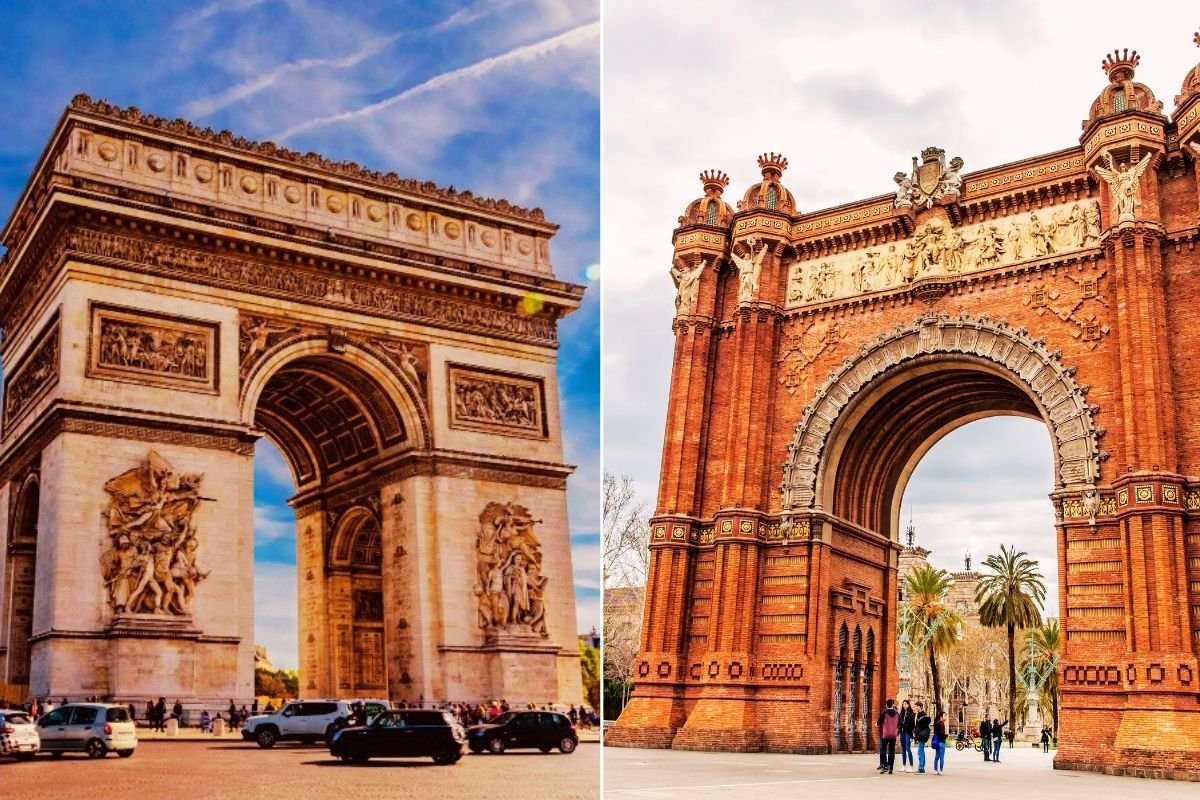
Paris vs Barcelona is not really a question of which city is better. It is a question of which type of city break fits the trip you want right now.
Choose Paris when museums, monumental architecture, famous landmarks, café culture and a more structured sightseeing rhythm are central to the experience.
Choose Barcelona when Mediterranean weather, bold architecture, beaches, later evenings and a looser outdoor rhythm matter more.
Both cities can deliver culture, food, neighborhoods and memorable walking days. The difference becomes clearer when you compare how each city uses your time and energy.
Quick Answer: Paris or Barcelona?
Choose Paris if: art museums, iconic landmarks, historic atmosphere, elegant neighborhoods and classic European city sightseeing are your priorities.
Choose Barcelona if: Gaudí architecture, beaches, outdoor life, casual food stops and a more Mediterranean daily rhythm sound more appealing.
For a first European city break: Barcelona can feel more forgiving if you value spontaneity, while Paris can be more rewarding if the famous Paris experiences are already the reason you want to travel.
For budget control: Barcelona often gives travelers more flexibility in casual day-to-day spending, while Paris can become expensive faster when central accommodation and several paid headline attractions are priorities.
Last updated: September 2026.
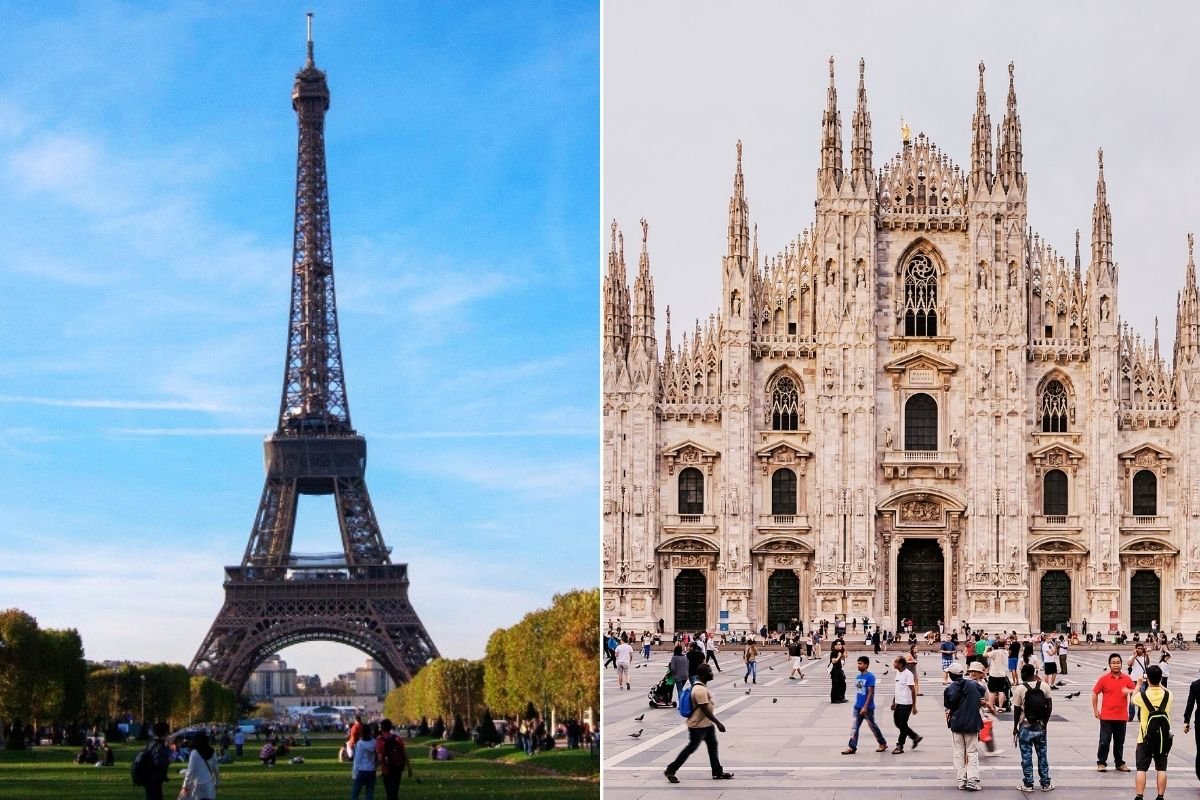
Paris and Barcelona can both deliver a strong European city break, but the rhythm of the trip feels very different.
Paris vs Barcelona at a Glance
| Priority | Paris | Barcelona |
|---|---|---|
| World-famous art museums | Stronger fit | Good, but not the city’s main advantage |
| Iconic architecture | Monuments, boulevards and historic grandeur | Gaudí and Modernisme stand out immediately |
| Beach access | No city beach experience | Clear advantage |
| Outdoor lifestyle | Strong walking and café culture, weather dependent | More Mediterranean and outdoor-oriented |
| Classic romantic city break | Stronger fit | More energetic and casual |
| Nightlife and late evenings | Strong but less central to the city’s identity | Stronger fit for late-night travelers |
| Spontaneous sightseeing | Some headline attractions reward advance planning | Often easier to build around neighborhoods and outdoor time |
| Museum-heavy trip | Clear advantage | Better for travelers wanting a broader mix |
TripsCity Insight: do not choose between Paris and Barcelona by asking which city has more attractions. Ask which city’s ordinary day sounds better to you after the headline sightseeing is finished.
Travel Style: Structure or Mediterranean Flexibility?
Paris generally rewards more deliberate sequencing.
A major museum, landmark or timed experience can become the center of the day, with nearby neighborhoods and food stops built around it.
Barcelona often feels easier to organize geographically. A substantial part of the day can unfold inside one area through architecture, streets, food and outdoor stops without constantly asking what the next reservation is.
That does not mean Paris requires a rigid itinerary or Barcelona requires no planning.
It means the consequences of changing your plan often feel different.
Paris Feels Better When Priorities Are Clear
Paris contains enough famous attractions that the biggest danger is over-prioritizing everything.
Once you know which museum, monument or neighborhood matters most, the city becomes easier because you can let secondary plans bend around that decision.
Barcelona Feels Better When You Want the Day to Flow Outdoors
Barcelona’s architecture and neighborhood life can make ordinary movement feel like sightseeing.
A traveler who enjoys walking, stopping for food, seeing architecture from the street and allowing the evening to develop slowly may find this rhythm more natural.
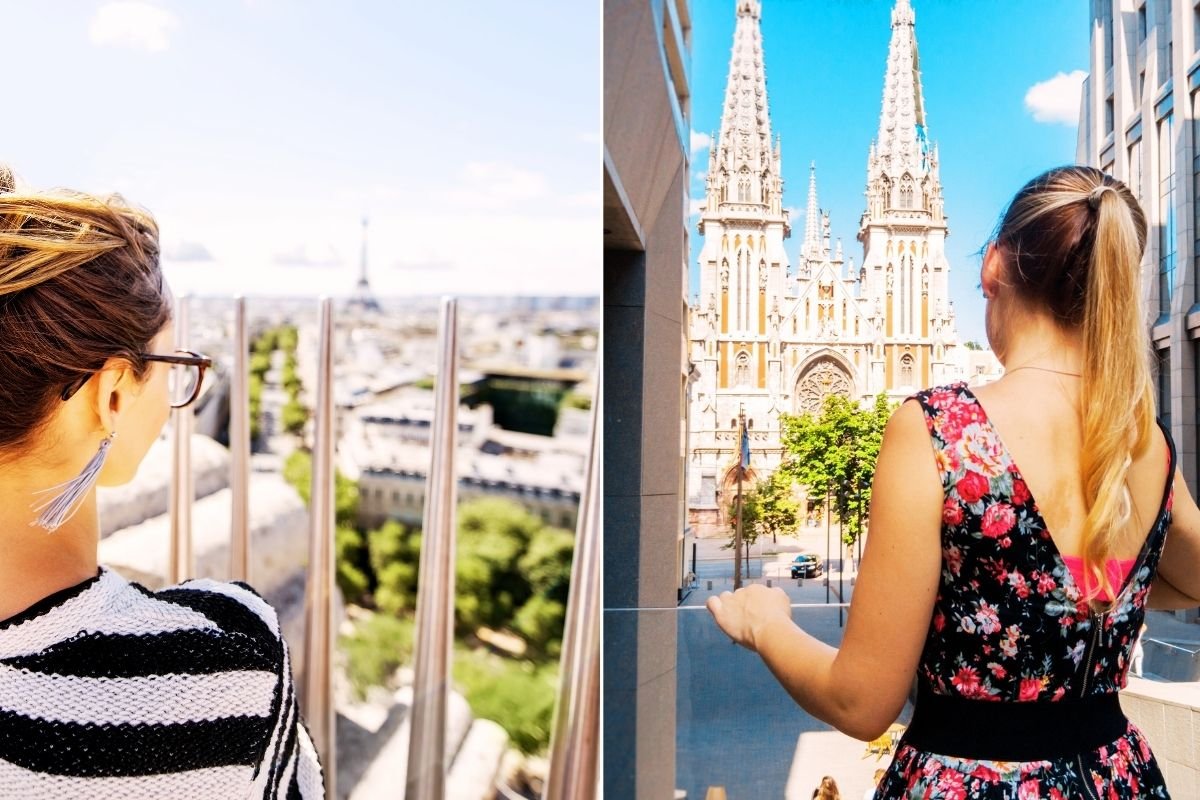
The strongest difference is not attraction count. It is how much structure you want the average sightseeing day to have.
Paris vs Barcelona for Culture, Architecture and Major Sights
Both cities are cultural destinations, but they deliver that culture differently.
Choose Paris for Museum Depth and Monumental Paris
Paris is difficult to beat when major art museums are a core reason for traveling.
The Louvre, Musée d’Orsay, Musée de l’Orangerie and other institutions can support multiple substantial museum days before you even begin considering historic churches, palaces and monuments.
Outside museums, the visual experience is more layered than flashy: Haussmann-era streets, formal architecture, bridges, grand public spaces and historic neighborhoods.
Choose Barcelona for Architecture That Dominates the Street Experience
Barcelona’s architectural identity is more immediate.
Gaudí’s work gives the city several landmarks that feel unlike almost anything in Paris, while the Gothic Quarter and Modernisme architecture create a strong visual contrast inside a relatively compact city experience.
For travelers who prefer architecture encountered continuously while walking rather than spending several hours inside large museums, Barcelona can feel more rewarding.
For official visitor information, use Paris je t’aime and Barcelona Turisme.
Paris vs Barcelona Costs: Which City Is Easier on Your Budget?
Barcelona often feels easier to control on a mid-range budget, but neither city should be treated as automatically cheap or expensive.
The biggest difference is where spending pressure appears.
Paris Can Become Expensive Through the Headline Trip
Central hotels, several paid major attractions, restaurant choices in high-tourist areas and taxis used to rescue an overloaded day can push spending upward quickly.
A traveler who is selective about attractions and uses public transport can control those costs much better.
For Paris specifically, use our Paris Budget Guide rather than turning this comparison into another budget article.
Barcelona Often Gives More Room for Casual Spending
Barcelona can feel more forgiving when your preferred day includes long walks, beaches or outdoor time alongside paid sights.
That does not mean hotels or major attractions are always inexpensive. Busy periods, events and desirable central locations can still raise costs substantially.
The useful question is not simply “Which city is cheaper?” It is “Which city’s expensive experiences are the ones I actually want?”
Food and Daily Rhythm: Paris or Barcelona?
This comparison is less about declaring a better cuisine and more about deciding how you want food to fit into the day.
Paris Works Well for Travelers Who Like Food as a Planned Experience
Bakeries, cafés, bistros, markets and more formal restaurant experiences can all become part of a Paris trip.
The city suits travelers who enjoy giving a meal its own place in the schedule rather than treating food only as a pause between attractions.
Barcelona Works Well for Travelers Who Like Later and More Flexible Evenings
Tapas-style eating, later dinners and a strong evening street culture can make the day feel extended rather than finished after the afternoon attractions.
Travelers accustomed to eating early may need to adjust expectations, while night owls may prefer Barcelona immediately.
Decision shortcut: choose Paris if the ideal evening is an intentional dinner followed by a walk through an atmospheric neighborhood. Choose Barcelona if the ideal evening begins late and food is part of a longer social night.
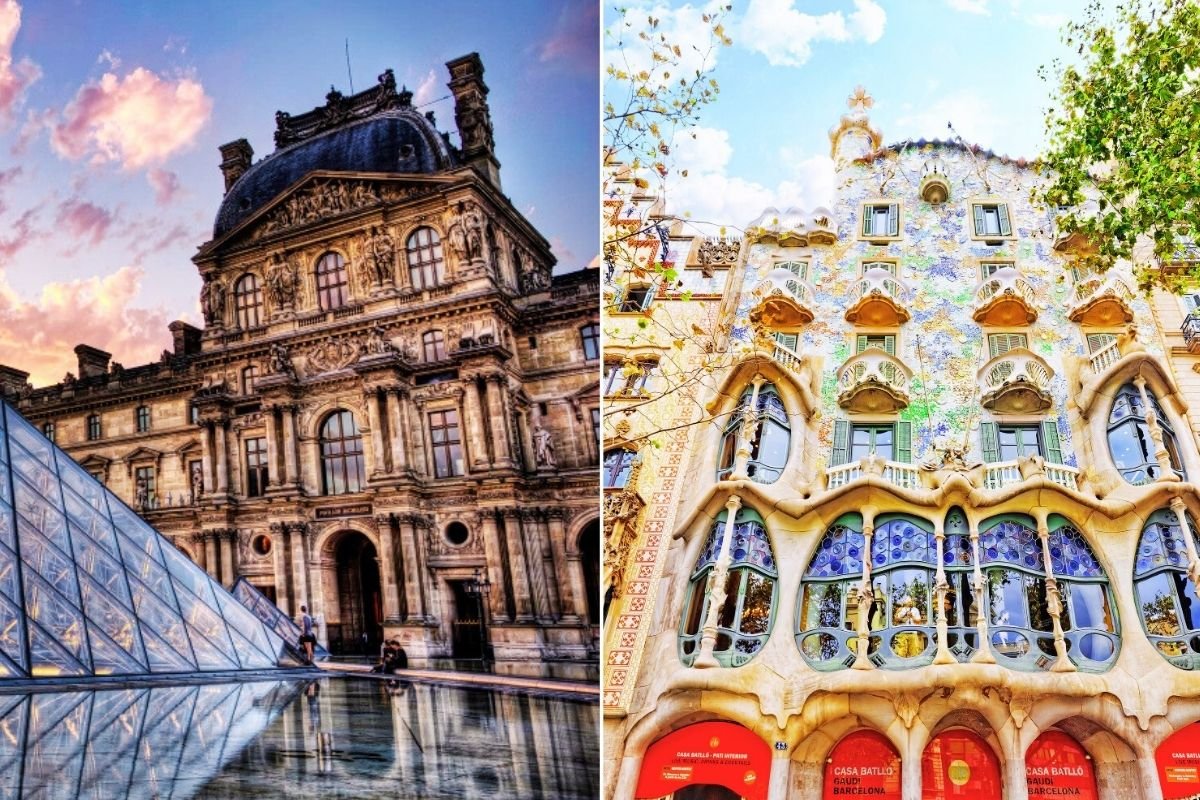
Paris often concentrates culture inside museums and monuments; Barcelona puts more of its visual identity directly into everyday streets.
Paris vs Barcelona Weather, Beaches and Outdoor Time
Barcelona has the clearer advantage when warm-weather outdoor life and access to the sea are major parts of the decision.
Paris offers river walks, parks, terraces and highly walkable neighborhoods, but it does not offer the beach-city combination that changes the character of Barcelona.
Barcelona Makes More Sense for a Beach-and-City Trip
If you genuinely plan to use the beach rather than simply like the idea of having one nearby, Barcelona gives you an experience Paris cannot reproduce.
This matters most when weather makes beach and outdoor time appealing.
Paris Is Stronger When Weather Is Not the Main Reason You Are Going
A large part of Paris’s appeal works indoors or across seasons: museums, architecture, restaurants, shopping and historic neighborhoods.
That makes Paris a strong option when your trip does not depend on sunshine or spending long hours outdoors.
Season still matters in both cities, so do not turn one general comparison into a promise about the weather on specific dates.
Getting Around: Paris vs Barcelona for Daily Ease
Both cities have strong public transport, but they feel different to visitors.
Paris Covers a Large Sightseeing Network Efficiently
The Metro makes it possible to connect distant parts of the city quickly, but repeated transfers and large stations can become tiring when an itinerary zigzags unnecessarily.
If you choose Paris, detailed transport planning belongs in our How to Get Around Paris guide.
Barcelona Often Feels Simpler Above Ground
Many visitors find it natural to combine public transport with long walks through a chosen area.
That can reduce the feeling of constantly entering and exiting transport during a sightseeing day.
Barcelona is not so compact that transport becomes unnecessary, but the relationship between walking and sightseeing often feels more intuitive for a first visit.
Paris vs Barcelona for First-Time European Travelers
There is no automatic winner.
Barcelona can be the easier first European city for travelers who want outdoor time, late evenings and more freedom to let the day develop without several major reservations.
Paris can be the better first European city when the Eiffel Tower, Louvre, Seine, Parisian architecture and classic Paris atmosphere are already the experiences driving the trip.
Choosing the supposedly “easier” destination is pointless if the other city is the one you have actually wanted to see for years.
If Paris is your likely choice and you are worried about the first visit itself, continue to our Is Paris Good for First-Time Travelers? guide.
Which City Is Better for Your Type of Trip?
For Couples: Paris or Barcelona?
Choose Paris when you want museums, beautiful streets, long meals, Seine walks and a more classic romantic city-break atmosphere.
Choose Barcelona when your ideal couples trip includes warm evenings, beaches, nightlife, bold architecture and a more casual rhythm.
Solo Travelers: Which City Fits Better?
Paris suits solo travelers who enjoy museums, bookstores, cafés and spending substantial time inside individual cultural attractions.
Barcelona can suit solo travelers who prefer being outside for much of the day and want a city where streets, food and nightlife provide frequent opportunities to change plans.
Families: Which City Makes More Sense?
The winner depends heavily on the children and season.
Paris has famous attractions and museums that can work extremely well for families interested in culture, but a dense sightseeing plan can create fatigue quickly.
Barcelona’s outdoor spaces, architecture and beach option can create more variety between structured attractions and free movement.
Neither should be reduced to “family-friendly” or “not family-friendly.” The family that loves museums may choose differently from the family whose children need substantial outdoor time.
Paris vs Barcelona for Nightlife
Barcelona is the stronger choice when late nights are central to the trip.
Paris has extensive nightlife, bars, performances and evening neighborhoods, but travelers choosing specifically for a later Mediterranean social rhythm are more likely to prefer Barcelona.
For Art Lovers: Which City Is Better?
Paris wins when major art museums are the priority.
Barcelona remains extremely strong for architecture and visual culture, especially when Gaudí and Modernisme are more exciting to you than spending half a day in a traditional art museum.
Which City Is Better for a Short Trip?
For a very short city break, the best choice depends on how concentrated your wish list is.
Barcelona can feel easier when you want architecture, neighborhoods, food and outdoor time without a long list of separate indoor attractions.
Paris can work equally well when you already know the two or three experiences that matter most and are willing to ignore the pressure to “see Paris properly” in one visit.
Do not choose based on attraction count. Choose based on how many of your personal priorities fit comfortably into the available days.
Should You Visit Paris and Barcelona on the Same Trip?
Yes, when the trip is long enough that the connection between cities does not consume the experience.
They complement each other particularly well because they do not feel like duplicates.
Paris gives the trip museum depth, monumental city atmosphere and a more northern European rhythm. Barcelona adds Mediterranean outdoor life, bold architecture and the possibility of beach time.
The mistake is not combining them. The mistake is giving each city so little time that you spend the entire trip arriving and leaving.
If you only have a few days total, choose one city and experience it properly.
Choose Paris If…
- World-class art museums are a major reason for the trip.
- You want the Eiffel Tower, Seine and classic Paris landmarks.
- Historic atmosphere and elegant neighborhoods matter more than beach access.
- You enjoy a city break with several clear sightseeing priorities.
- Your ideal evenings involve cafés, restaurants, walking and illuminated landmarks.
Choose Barcelona If…
- You want a city and beach combination.
- Gaudí architecture is a major travel priority.
- Long outdoor days and later evenings appeal to you.
- Casual food stops and a less formal daily rhythm fit your travel style.
- Sightseeing that unfolds naturally through neighborhoods sounds more enjoyable.
If major attraction tickets will influence your decision, you can compare current tour and attraction options before deciding how much structured sightseeing you actually want.
Paris vs Barcelona FAQ
Is Paris or Barcelona better for a first trip to Europe?
Barcelona can feel easier for travelers who value spontaneity, outdoor time and later evenings. Paris may be the better first choice when its famous museums, monuments and neighborhoods are already the main reason for visiting Europe.
Is Barcelona cheaper than Paris?
Barcelona often gives travelers more flexibility for casual daily spending, while Paris can become expensive faster with central hotels and several major paid attractions. Actual costs still depend heavily on dates, accommodation and travel style.
For Couples, Is Paris or Barcelona Better?
Paris suits couples seeking classic romance, museums, cafés and elegant city evenings. Barcelona suits couples wanting beaches, nightlife, bold architecture and a more casual Mediterranean rhythm.
Families: Is Paris or Barcelona Better?
Both can work well. Paris is strong for families interested in famous cultural attractions, while Barcelona can offer an easier mix of architecture, outdoor time and beach activity.
Nightlife: Does Paris or Barcelona Win?
Barcelona is generally the stronger choice when late-night social life is a major trip priority. Paris still offers extensive nightlife but has a different evening rhythm.
Museums: Is Paris or Barcelona Better?
Paris has the clear advantage for travelers prioritizing major art museums and museum-heavy sightseeing.
Architecture: Which City Is Better?
It depends on your taste. Paris offers monumental historic architecture and elegant urban planning, while Barcelona stands out for Gaudí and Modernisme.
Should I visit both Paris and Barcelona?
Yes if your overall trip gives each city enough time. They complement each other well because the travel experience is noticeably different.
Final Verdict: Paris or Barcelona?
Choose Paris if you want cultural depth, famous museums, monumental sightseeing and the classic European capital experience.
Choose Barcelona if you want architecture, beaches, outdoor energy, later evenings and a more Mediterranean rhythm.
Barcelona is not simply the relaxed version of Paris, and Paris is not simply the more serious version of Barcelona.
They reward different priorities.
If the Louvre, Eiffel Tower and Parisian neighborhoods already occupy your imagination, choose Paris and plan around the experiences that matter.
If Gaudí, tapas, warm evenings and the sea sound more like the trip you want, choose Barcelona.
The better city is the one whose ordinary day matches the way you actually like to travel.
Last updated: September 2026.