
Knowing how to plan a trip to Paris is less about building the longest attraction list and more about making a few decisions in the right order: how many days you have, when you are going, where you will stay, which attractions need fixed reservations, and how you will group the city geographically.
The quick answer: for a first trip, aim for four or five full days if your schedule allows it. Choose a well-connected base, plan one major anchor per day, combine nearby sights into the same walking block, and leave enough room for meals, weather changes and the unexpected stops that make Paris enjoyable.
The mistake that makes Paris feel difficult is over-planning. A timed Eiffel Tower visit, a Louvre reservation and perhaps one other fixed experience can give a day useful structure. Booking every hour usually does the opposite because one queue, long lunch or Metro disruption starts pushing the rest of the schedule behind.
How to Plan a Trip to Paris: Quick Answer
- Ideal first-trip length: around 4–5 full days
- Best planning method: one main area or geographic cluster each day
- Reserve first: high-priority timed attractions such as the Eiffel Tower and Louvre
- Choose your hotel by: transport connection, exact street and your daily routes
- Daily pace: one major attraction plus nearby sights, food and walking time
- Transport strategy: walk locally and use the Metro or RER for larger moves
- Budget strategy: control accommodation, paid attractions and restaurant choices instead of chasing one generic daily average
Disclosure: This guide contains affiliate links. If you book through one of them, TripsCity may earn a commission at no extra cost to you.
How to Plan a Trip to Paris: First-Trip Decisions That Matter
A good Paris plan starts before you choose individual restaurants or fill a map with saved attractions. First decide how much time you actually have, what type of trip you want, and which experiences would disappoint you most if they sold out or did not fit the schedule.
How Many Days Do You Need in Paris?
For many first-time visitors, four to five full days is the strongest balance. That is enough time for major landmarks, one or two substantial museums, several neighborhoods and at least one slower block without making every day feel compressed.
| Trip Length | What It Handles Well | Main Trade-Off |
|---|---|---|
| 2 days | Eiffel Tower, one major museum, historic center and a focused neighborhood | Very little room for Versailles or extra museums |
| 3 days | Core landmarks plus Montmartre and a more complete central route | Optional experiences must remain genuinely optional |
| 4–5 days | Best first-trip balance of icons, neighborhoods, museums and slower time | You still need to choose between some day trips and city experiences |
| 6+ days | Slower neighborhoods, additional museums and day trips | The challenge becomes prioritizing what deserves your extra time |
If your trip is shorter, do not solve the problem by moving faster. Reduce the number of geographic areas instead. Our Paris 3 Day Itinerary and Paris 4 Days Itinerary show what realistic pacing looks like at different trip lengths.
How to Plan a Trip to Paris by Season
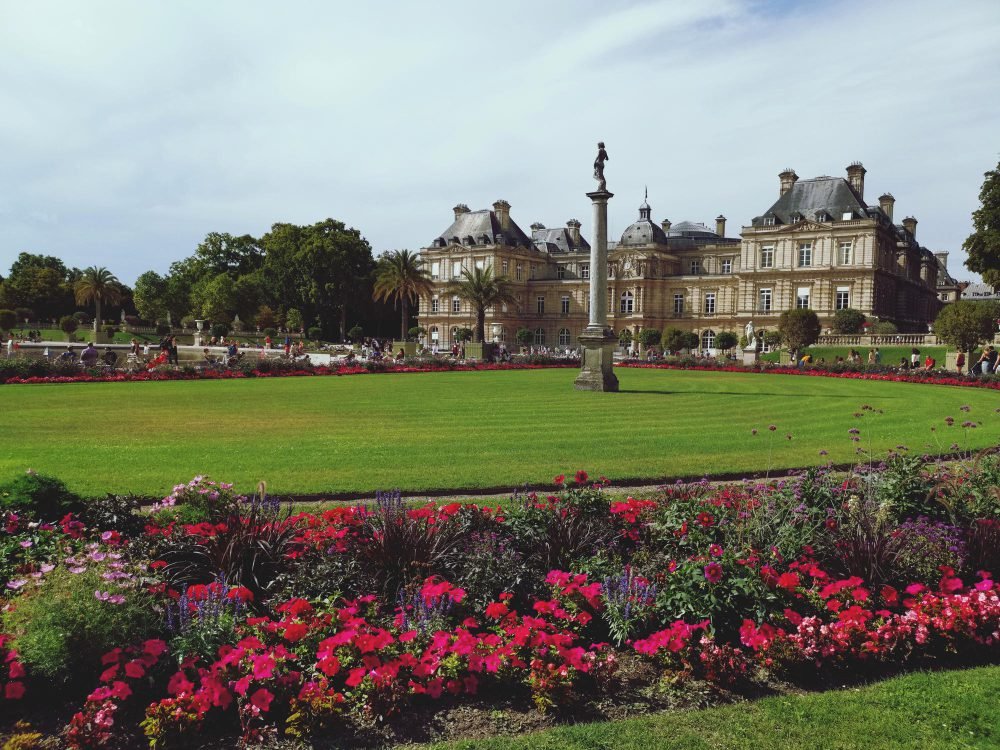
Mild weather makes longer walking blocks and garden time easier to include in a Paris itinerary.
Paris works year-round, but the same itinerary feels different in April, August and January. Spring and early autumn often make long walking days easier, summer offers more daylight but can bring heat and heavier visitor pressure, and winter rewards travelers who are comfortable shifting more time toward museums, cafés and indoor culture.
Instead of choosing a month from a generic “best season” claim, compare your own priorities: daylight, crowd tolerance, heat, rain, hotel prices and whether gardens or outdoor evenings matter to you. For a full month-by-month comparison, use our Best Time to Visit Paris guide.
Reserve the Attractions That Can Control an Entire Day

Timed attractions should anchor the day instead of competing with several other fixed reservations.
Eiffel Tower: if going up is a major priority, choose the date and preferred time before you build the rest of that day. The official ticket office recommends planning ahead, especially for popular periods, and security checks still apply even when you hold a timed e-ticket.
Check the official Eiffel Tower ticket office first. If official availability does not match your plans, you can also compare current Eiffel Tower guided visit options.

The Louvre works better as a defined morning or afternoon anchor than as a quick stop between other landmarks.
Louvre Museum: time-slot booking is strongly recommended, and the museum states that advance booking is the only way to guarantee entry. Decide whether you want a focused highlights visit or a longer museum block before adding the Tuileries, Seine or another neighborhood afterward.
Use the official Louvre visitor information for current entry guidance. You can also compare Louvre ticket and tour options if a guided visit fits your travel style.
Do Not Treat Every Famous Sight as Mandatory
Paris becomes easier when you separate must-do for you from famous in general. The Eiffel Tower may be essential for one traveler and unnecessary for someone who prefers museums and neighborhoods. Versailles can be a highlight for a history-focused visitor but a poor trade on a short first trip.
Notre-Dame is another good example of why current information matters. Ordinary cathedral entry is free, and the official free reservation is optional. That means you should not pay a third-party seller simply for basic cathedral access. Check the official Notre-Dame reservation information close to your visit.
TripsCity Insight: Reserve the experiences that would genuinely disappoint you if you missed them. Let everything else compete for space based on geography, weather and how much energy you actually have that day.
How to Plan a Trip to Paris: Build the Daily Itinerary
Once the big decisions are settled, knowing how to plan a trip to Paris day by day means turning them into routes that make geographic sense. Paris is compact enough to walk extensively, but large enough that repeated cross-city movement can quietly waste hours.
How to Plan a Trip to Paris by Geographic Area
The most useful planning rule is simple: combine attractions that naturally belong together. The Louvre, Tuileries and Seine form one central block. Notre-Dame, Sainte-Chapelle and the Latin Quarter fit another. The Eiffel Tower, Seine and Arc de Triomphe can share a western Paris day, while Montmartre works best as its own neighborhood experience.
This approach does more than reduce Metro time. It also protects your energy because you spend less of the day entering stations, changing lines, finding exits and recovering from unnecessary backtracking.
| Area | Natural Combinations | Planning Note |
|---|---|---|
| Western Paris | Eiffel Tower, Seine, Arc de Triomphe | Let one timed landmark anchor the day |
| Historic center | Louvre, Tuileries, Pont Neuf, Notre-Dame | Walk much of the route after reaching the Louvre |
| Left Bank | Latin Quarter, Luxembourg Gardens, Saint-Germain | Strong for a flexible afternoon or evening |
| Montmartre | Abbesses, Sacré-Cœur, Place du Tertre, quieter streets | Allow walking time instead of treating it as one monument |
| Le Marais | Historic streets, Place des Vosges, cafés and shops | Works well when you want fewer fixed reservations |
For a broader attraction shortlist before you build these clusters, use our Things to Do in Paris guide.
Use Walking and Public Transport Together
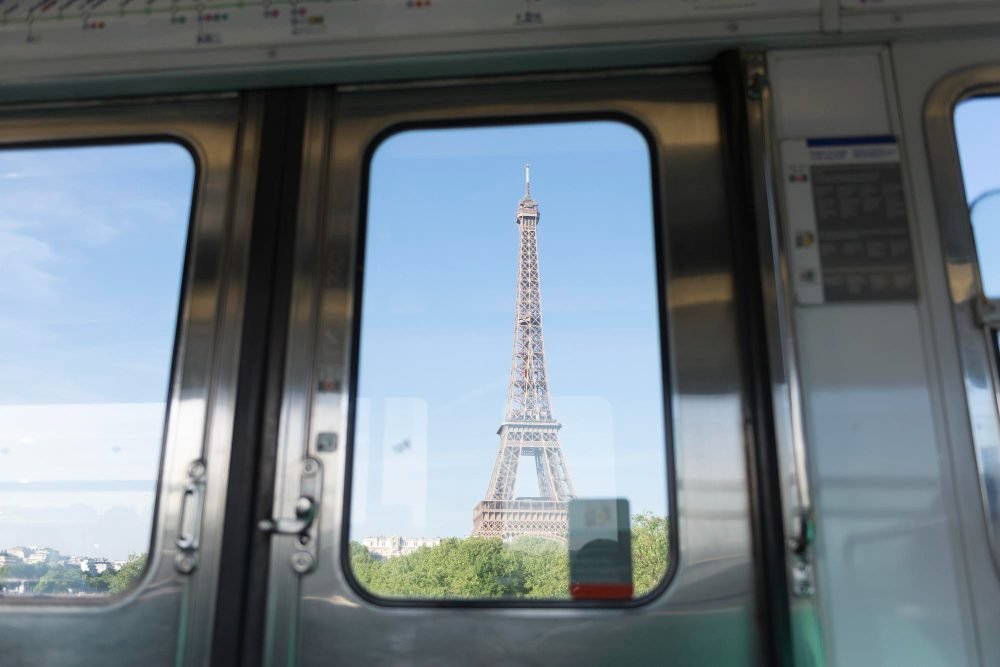
Walk inside neighborhoods and use public transport for the larger move between sightseeing zones.
For most visitors, the best transport strategy is not “Metro everywhere.” Walk when nearby sights belong to the same area, then use public transport when the next district is far enough away that walking would consume meaningful sightseeing time.
In 2026, a standard Metro-Train-RER journey costs €2.55, while a Bus-Tram journey costs €2.05. Airport rail travel uses a separate fare category. These prices are useful for planning, but pass decisions depend on how often you actually ride.
For routes, accessibility and airport connections, see our Paris transport guide. For the full fare structure and pass comparison, use our Paris public transport costs guide or verify current fares with Île-de-France Mobilités.
Choose Where to Stay From Your Actual Routes
A beautiful neighborhood is not automatically a practical base. On a short trip, the hotel should reduce friction at the beginning and end of each day rather than force you into awkward transfers every morning.
| Area | Strongest For | Main Trade-Off |
|---|---|---|
| Louvre & Tuileries | First-time visitors and short stays | Central convenience usually costs more |
| Saint-Germain-des-Prés | Classic Left Bank atmosphere and couples | Premium room prices are common |
| Le Marais | Food, shopping and lively neighborhood time | Some streets can be noisy |
| 7th arrondissement | Eiffel Tower access and quieter evenings | Not the most convenient base for every Right Bank route |
| Montmartre | Character, views and some better-value stays | Hills and extra travel to central sights |
The exact street and nearest station matter more than the arrondissement name alone. Compare neighborhoods in our Where to Stay in Paris guide. If you are ready to compare accommodation for your dates, you can also check current Paris hotel options on Trip.com.
Leave Food and Recovery Time in the Schedule
A Paris itinerary that ignores meals usually becomes unrealistic by mid-afternoon. Museums, security lines and long walks all take more energy than they appear to on a map, so give lunch and dinner genuine space instead of assuming they will happen “between attractions.”
Use bakeries, markets and casual stops when convenience matters, then spend more time or money on the meals that are actually part of your trip. Our Paris Food Guide covers meal strategy, neighborhoods and common tourist dining mistakes.
Do Not Count Arrival and Departure Time Too Aggressively
An arrival day is only a useful sightseeing day when you can reach your hotel early enough to begin without depending on a perfectly timed flight, baggage claim and airport transfer. If you arrive late afternoon, treat the evening as a bonus rather than calling it a full Paris day.
The same logic applies before departure. Do not place a major timed attraction immediately before you need to collect luggage and travel to the airport. A slower final neighborhood, café stop or short walk is easier to cut if travel logistics take longer than expected.
TripsCity Insight: The best itinerary is not the one that uses every available hour. It is the one that still works after a museum runs long, lunch takes an extra thirty minutes or you decide a neighborhood deserves more time.
How to Plan a Trip to Paris: Budget, Packing, Mistakes and FAQ
The final planning stage is about reducing avoidable stress. You need a realistic budget structure, a few useful tools, and enough flexibility to absorb small changes without rebuilding the trip.
Build the Budget Around the Costs That Actually Change the Trip
One generic “Paris costs X per day” number is rarely useful. Accommodation varies by date and neighborhood, restaurant habits change food spending, and solo travelers experience room costs differently from couples sharing.
| Cost Area | Where to Save | When Paying More Can Make Sense |
|---|---|---|
| Accommodation | Compare several well-connected neighborhoods | A central base may save significant time on a short stay |
| Food | Mix bakeries and simple meals with restaurants | Spend more on meals that are genuinely part of the experience |
| Transport | Group sights and walk within the same area | Pay for convenience when luggage or fatigue changes the trade-off |
| Attractions | Mix paid sights with neighborhoods, churches, parks and walks | Prioritize experiences you would regret missing |
A cheap choice is not always cheap for the whole trip. A poorly located hotel, for example, can add transport and lost time every day. For detailed spending categories, use our Paris Budget Guide.
Pack for Walking, Weather and Phone Dependence
Comfortable walking shoes matter more than specialized gear. Add layers, light rain protection, a secure day bag and a portable power bank if you depend on mobile tickets, maps and photos.
Keep luggage manageable. Smaller bags are easier around stairs, Metro corridors and older hotel lifts.
Use a Small Set of Reliable Travel Tools
The official Île-de-France Mobilités app is useful for route planning and service information. Keep a general mapping app as backup, and use official attraction websites when opening or entry rules matter.
If mobile data would simplify navigation, you can compare Yesim eSIM options for France. Save essential tickets or directions offline as a backup.
Common Paris Planning Mistakes to Avoid
- Booking too many timed attractions: one delay can push the rest of the day behind.
- Choosing a hotel only by landmark name: the exact station and route may matter more.
- Crossing Paris repeatedly: group nearby sights instead.
- Using outdated transport advice: verify current fares and airport rules.
- Treating Versailles as compulsory: it should earn its place in a short itinerary.
- Ignoring meals and fatigue: a technically possible schedule can still be unpleasant.
- Planning every evening: leave room to stay longer in a neighborhood you enjoy.
Before You Book: Final Decision Check
Confirm that your hotel works with your main sightseeing areas, major reservations are not too close together, transport information is current, and your expensive experiences are things you actually care about. Leave minor decisions such as cafés, parks and casual evening walks open.
Final Verdict: What Makes a Paris Plan Work?
The best approach to how to plan a trip to Paris is to make the difficult decisions early and leave the easy decisions flexible.
Choose the trip length, season, hotel area and major reservations first. Then group sights geographically, protect meal time, and cut optional stops when the day runs late.
TripsCity Verdict: A strong Paris plan gives you enough structure to avoid wasting time without scheduling away the reason you wanted to visit the city in the first place.
How to Plan a Trip to Paris FAQ
How many days do you need for a first trip to Paris?
Four to five full days is a strong target for many first-time visitors. Shorter trips can still work if you reduce the number of areas rather than rushing between more attractions.
What should you book first for Paris?
Start with attractions that can control a full day. If the Eiffel Tower or Louvre is a priority, secure those times before adding smaller stops around them.
What is the best time to visit Paris?
There is no single best month. Spring and early autumn suit walking-heavy trips, summer offers long daylight, and winter favors museums and indoor culture.
Where should first-time visitors stay in Paris?
Choose a well-connected base that matches your itinerary. Central convenience matters most on short trips, while neighborhood atmosphere may matter more on longer stays.
What is the easiest way to get around Paris?
Walk within neighborhoods and use the Metro or RER for larger moves. A direct route with fewer changes can be more practical than the theoretically fastest option.
Do you need to book every Paris attraction in advance?
No. Reserve the high-demand experiences that matter most and leave lower-priority stops flexible.
Is Versailles worth adding to a first Paris trip?
Yes for travelers who prioritize royal history, architecture and gardens. On a short trip, however, it should replace other sightseeing rather than being added on top.
How much money should you budget for Paris?
Build the total from accommodation, food, transport, attractions and optional experiences instead of relying on one universal daily average.
What is the biggest first-time Paris planning mistake?
Trying to see too much. Fewer geographic areas, realistic meal breaks and one or two major priorities per day usually create a better first trip.
Once the planning decisions are set, use our Things to Do in Paris guide, our transport guide, and our Where to Stay in Paris guide.
Last updated: September 2026.