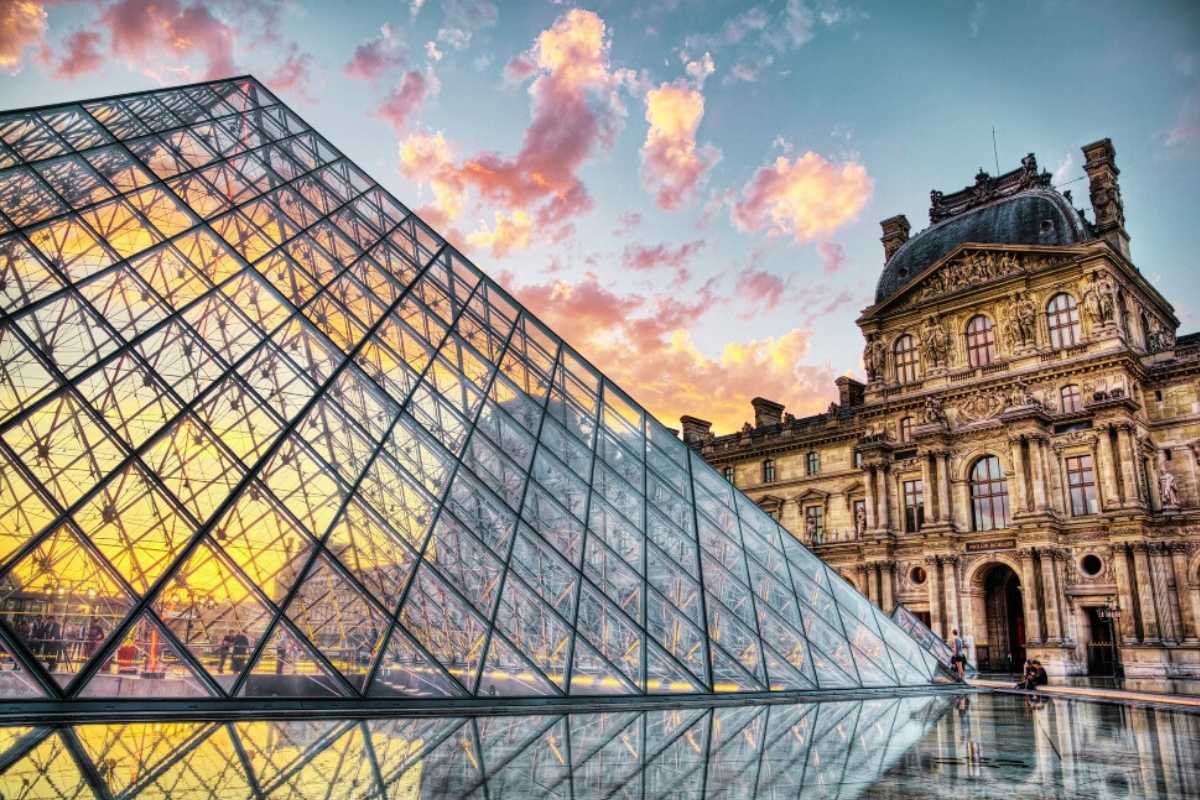
The Louvre is not just a museum. It is history frozen in architecture. It is a former fortress turned into a royal palace, then transformed into the most influential art institution the world has ever known. Every hallway reflects a century. Every gallery contains ambition. Every sculpture is a message sent across time by a human mind that refused to be forgotten.This Louvre Museum Visitor Guide 2026 is written for travelers who do not want to simply “see” the Louvre, but to understand it. It is for travelers who care about how a place makes them feel after they leave, not only what they photograph before they go.If you walk into the Louvre unprepared, the experience quickly becomes overwhelming. The scale confuses. The crowds distract. The exhaustion arrives faster than inspiration. But when you approach it correctly, the Louvre becomes unforgettable in a quiet, surprising way.By the time you exit, it no longer feels like you visited a museum. It feels like you spent an afternoon walking through the psychology of humanity.Before you continue reading this Louvre Museum Visitor Guide 2026, you may also find these planning resources useful for organizing your Paris trip:
- Paris Travel Guide – First-Time Visitors
- How to Get Around Paris – Metro & Transport
- Where to Stay in Paris – Neighborhood Guide
- Top Things to Do in Paris
For official museum information, exhibition updates, and policies, always refer to:
Louvre Museum Visitor Guide 2026 – Understanding What You Are About to Enter
Many visitors imagine the Louvre as a simple building full of beautiful things. The truth is more profound. The Louvre is not a single museum. It is a city of memory built in stone. Its sheer size alone changes how your body moves, how your eyes behave, and how your mind processes information.
Inside the Louvre, your brain is exposed to more creative output than most humans experience in a lifetime. Paintings created before your country existed. Sculptures carved when religion shaped every human decision. Objects that survived empires, revolutions, and extinction.
This is why timing, pacing, and expectation matter far more here than in any other attraction in Paris.
This Louvre Museum Visitor Guide 2026 is not written to make you rush. It is written to teach you how to slow down wisely.
Louvre Museum Tickets in 2026 – What to Know Before You Go
Tickets are not a technical step in your visit — they are the foundation of your entire experience.
In 2026, the Louvre strictly controls visitor capacity. Many travelers still believe they can arrive and simply walk in. In reality, thousands are turned away every week because they arrive without reservations.
There are three safe ways to access the museum:
- Official online booking from the Louvre website
- Authorized ticket platforms
- Guided tours with guaranteed entry
If you value flexibility, customer support, mobile access, and cancellations, authorized platforms are the safest option.
You can book verified Louvre tickets here:
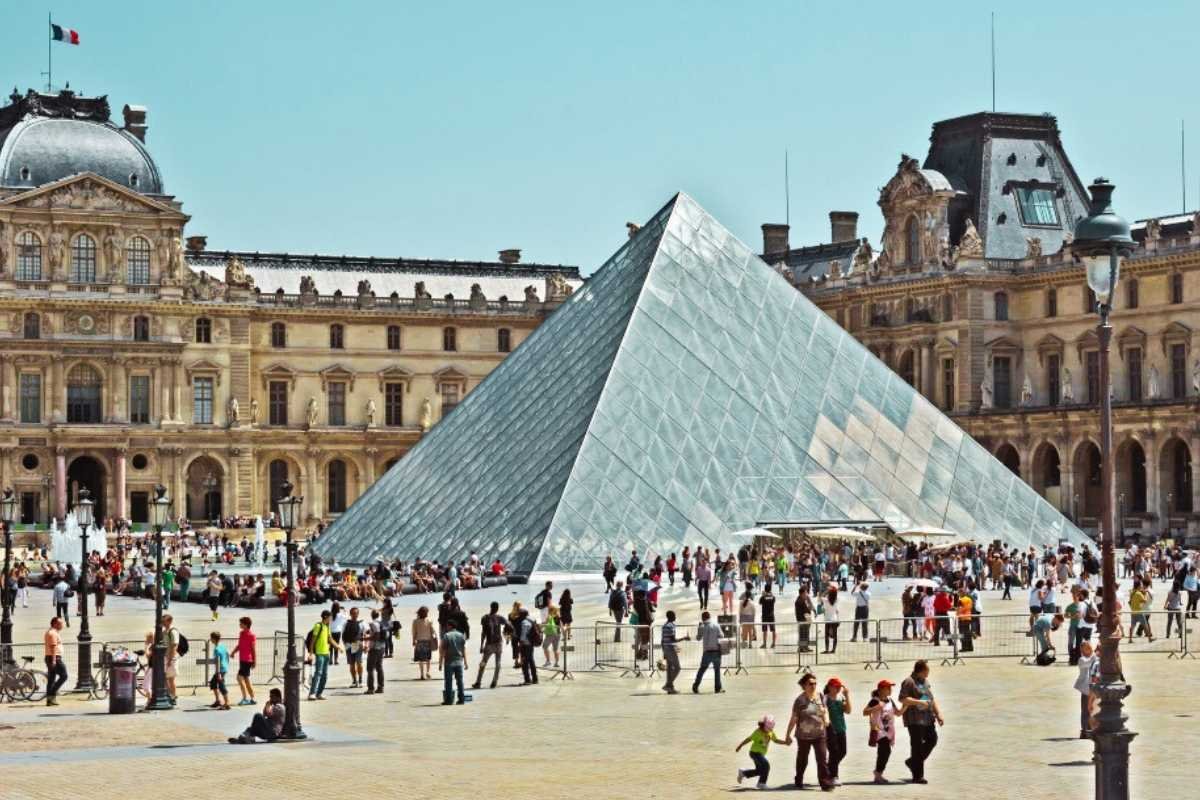
Louvre tickets in 2026 – Skip-the-line entrance area
Timed entry tickets now define the modern Louvre experience. You select a time window and must arrive during that period. Early arrival leads to waiting. Late arrival can lead to denial.
If you are scheduling other activities the same day, build buffer time around your Louvre entry. Never treat museum time as a fixed appointment. Art does not work on a stopwatch.
Louvre Museum Ticket Types Explained
Despite the confusion online, there are only a few ticket types that matter:
- Standard timed-entry ticket – Access to all permanent collections
- Temporary exhibition upgrade – Optional depending on current exhibitions
- Guided tour tickets – Entry plus contextual storytelling
Guided tours are not for tourists who “don’t understand art.” They are for visitors who want emotional translation. A guide connects you to why something exists — not just what it looks like.
Best Time to Visit the Louvre Museum in 2026
If you want to understand how important timing is, imagine visiting the Louvre on a rainy Saturday at noon.
Now imagine visiting it on a quiet Wednesday evening.
The difference is not subtle. It is transformative.
In general, crowds peak between 11:00 AM and 3:00 PM. Weekends and bad weather multiply the pressure.
The best options are:
- Early morning at opening time
- Weekday afternoons
- Evening sessions (often Wednesdays and Fridays)
The Louvre at night feels entirely different. Colors soften. Sounds fade. The building stops performing and returns to breathing.
Choosing the Best Entrance to the Louvre
The pyramid is iconic. It is also the slowest option.
The Carrousel entrance is underground, calmer, and climate-controlled. If your ticket or tour allows it, always choose it over the pyramid.
Inside the Louvre – How to Move Without Burning Out
The Louvre is physically demanding. Many visitors mentally underestimate walking fatigue inside museums.
Divide your visit structurally:
- One wing explored deeply
- One wing explored lightly
- Then rest
The museum consists of three main wings:
- Denon Wing – Renaissance art & Mona Lisa
- Sully Wing – Ancient civilizations
- Richelieu Wing – Decorative arts & Napoleon apartments

The Louvre Museum at night – calm atmosphere under lights
Do not chase rooms. Let rooms invite you.
Louvre Museum Highlights – What is Truly Worth Your Time
You do not visit the Louvre to check items off a list.
You visit it to stand before something that permanently shifts how you see the world.
- Mona Lisa – Cultural gravity more than size
- Winged Victory of Samothrace – Motion captured in silence
- Venus de Milo – Fragility in stone
- Liberty Leading the People – Pain and courage combined
- Wedding at Cana – Narrative at monumental scale
Mona Lisa Strategy
Go late. Expect people. But do not rush.

The Mona Lisa viewing area
Stand quietly. Your mind needs silence for meaning to appear.
Professional Planning for Your Visit
Most travelers enter the Louvre like tourists. Professionals enter it like historians, artists, and psychologists. The difference is not in knowledge. It is in intention. A professional visitor does not ask, “What should I see first?” but instead, “What do I want to feel when I leave?”
This Louvre Museum Visitor Guide 2026 teaches you how to approach the museum with emotional intelligence. The Louvre is not neutral space. It influences the mood, attention, and behavior of every visitor that steps into it. Large ceilings slow your pace. Narrow corridors raise anticipation. Courtyards release tension. Everything about the building shapes you — quietly.
This means your mental state is as important as your route plan. Visitors who arrive anxious leave tired. Visitors who arrive curious leave changed.
Designing Your Personal Louvre Route Without Destroying Your Energy
The most intelligent Louvre visits are not the longest. They are the most focused.
The museum offers more art than any human brain can process in one afternoon. If you try to see everything, you will remember nothing. Your energy collapses before your curiosity does.
This is the difference between tourists and travelers: tourists walk until they collapse, travelers pause until they understand.
Structure your time inside the museum into emotional phases:
- Intensity stage – Iconic masterpieces while you are fresh
- Exploration stage – Smaller galleries with fewer people
- Reflection stage – Sitting quietly somewhere beautiful
This emotional rhythm prevents overload while deepening memory.
Hidden Louvre Galleries That Most Visitors Never See
The Louvre’s fame hides its secrets and guards its quiet corners. A majority of visitors never leave the Mona Lisa corridor. That alone guarantees one thing: the best spaces remain empty.
Some of the most emotionally powerful collections are far from crowds:
- Islamic Art Wing – Geometry, poetry, devotion
- Mesopotamian Antiquities – The beginning of writing
- Italian Pre-Renaissance Painting – Faith before fame
- French Romanticism Rooms – Emotion in oil
In these rooms, the Louvre transforms from museum into sanctuary.
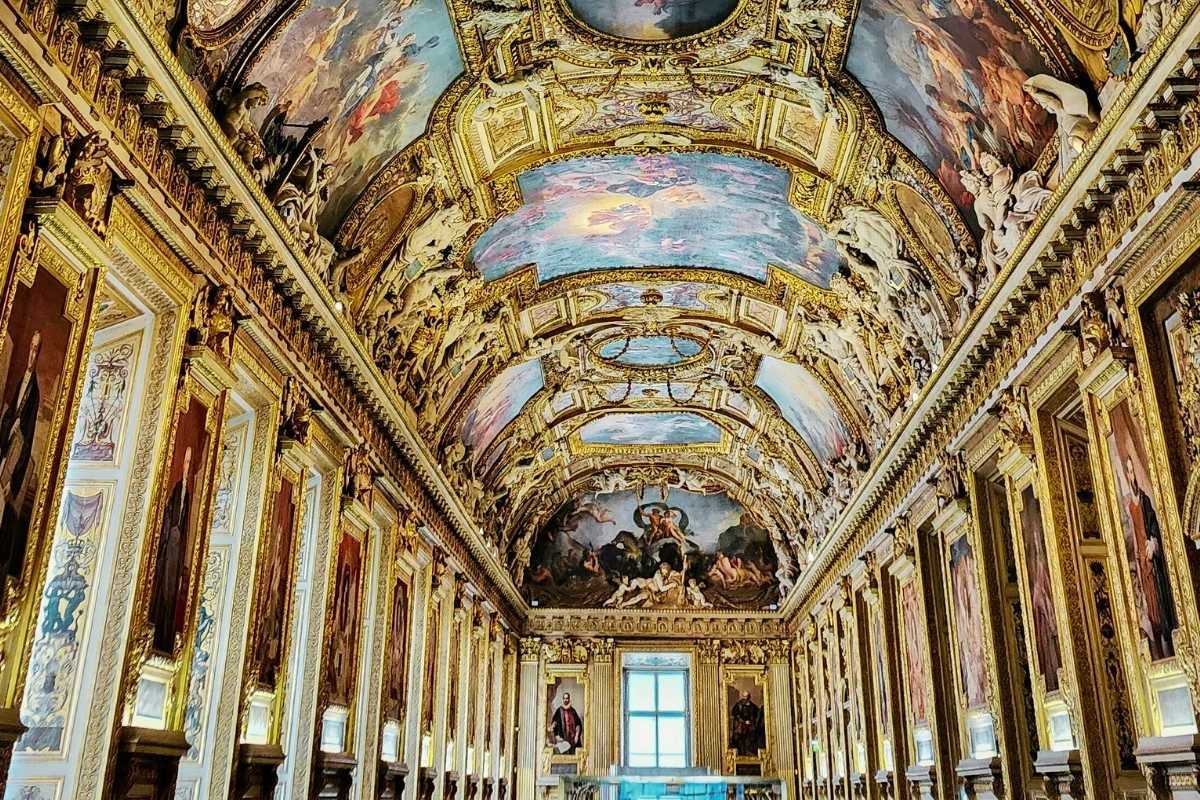
A quieter side of the Louvre most visitors never explore
Understanding the Louvre Emotionally – Why It Feels Heavier Than You Expect
The Louvre does something few buildings in the world do: it compresses history into physical space.
You walk from a civilization that used stone tools into a civilization that conquered continents in fewer than thirty minutes. The psychological shift is intense.
Many visitors feel an unexpected emotional fatigue after three hours. This is not physical. It is cognitive. Your mind is processing thousands of ideas created by people long dead — and yet strangely present.
This is why slowing down is not optional here. It is survival.
When you stop rushing, you allow meaning to form.
Louvre by Season – How the Museum Changes Throughout the Year
The Louvre’s personality shifts with the calendar.
This Louvre Museum Visitor Guide 2026 recommends:
- Winter – The best season for quiet depth and mental space
- Spring – Energetic but manageable
- Summer – Loud, crowded, international
- Autumn – Balanced and atmospheric
The artworks do not change — but your ability to feel them does.
For a complete seasonal breakdown, see:
Photography Inside the Louvre – How to Document Without Destroying the Moment
Photography is permitted, but the rules are not what save your experience — your behavior is.
Visitors often view art through screens. This turns masterpieces into background images. If you capture everything, you emotionally absorb nothing.
Choose a few moments to photograph. Visit the rest with your eyes only.
When a Guided Tour is Worth It
Not all tours deserve your time. But the right one can transform your visit from observation into understanding.
If this is your first visit, a small-group guided tour offers:
- Clear narrative
- Historical framing
- Efficient routing
- Deeper emotional context
Trusted booking options:
Dining and Rest Strategy – Energy Is Everything
The Louvre offers cafés not as luxury but necessity. A tired brain cannot feel beauty.
Sit. Drink water. Reset.
Short breaks multiply emotional depth.
Louvre Museum for Different Travel Profiles
This guide was written to serve different travelers truthfully:
First-time visitors: Choose icons and atmosphere.
Repeat visitors: Explore forgotten rooms.
Families: Limit time and focus on stories.
Solo travelers: Linger longer.
Accessibility and Safety
The Louvre is wheelchair-accessible and designed for all visitors.
Security is strong, but awareness is smart.
For general safety guidance in Paris:
Conclusion – Part Two
The Louvre does not reward speed. It rewards attention.
In the final part of this Louvre Museum Visitor Guide 2026, we will explore advanced timing strategies, ticket bundles, operational details, mistakes to avoid, and a complete FAQ with structured data for search engines.
Advanced Timing Tactics – Mastering the Clock at the Louvre
The difference between an average Louvre visit and a deeply rewarding one is rarely the art itself. It is timing. Most visitors unknowingly arrive during peak excitement hours. Tour groups flow like rivers, bottlenecking the most famous artworks. You wait. You shuffle. You rush. The emotional weight disappears under logistics.
This Louvre Museum Visitor Guide 2026 recommends approaching the day strategically. Instead of following crowds, work against them gently.
The smartest visitors adopt this simple structure:
- Enter as early as possible or after 4:00 PM
- Visit icons late, not early
- Exploit quiet wings when routes clog
- Use floors as escape paths
This mental flexibility is what preserves emotional space in a crowded palace.
Revisiting the Mona Lisa – How Not to Ruin the Moment
The Mona Lisa is inevitably crowded. Yet the mistake is not the crowd. It is your reaction to it.
Visitors rush, push, photograph, then leave disappointed. Professional viewers behave differently: they breathe, wait, and stand.
Arrive late in your visit when ambition is lower and curiosity is higher. Let your eyes meet her quietly.
Visiting the Louvre at Night
The Louvre Museum at night – calm atmosphere under lights
Late-night openings alter the soul of the building. The crowds thin. Footsteps soften. The museum stops performing and begins breathing.
This is the closest you will come to experiencing the Louvre as a palace rather than a monument.
Evening tickets here:
Louvre Ticket Bundles – Efficiency and Value Combined
Some travelers seek meaning. Others also seek convenience.
Bundle tickets allow you to reduce complexity and often save money:
- Louvre + Seine River Cruise
- Louvre + Eiffel Tower
- Louvre + Versailles Palace
Verified combinations available here:
Eating Smart Around the Louvre
The streets surrounding the Louvre contain hidden calm. Step away from main roads. Walk slowly.
Your lunch should extend your happiness, not interrupt it.
What to Wear and Bring
This is not a casual walk. It is physical and emotional.
- Comfortable shoes
- Water bottle
- Light bag
- Minimal valuables
Emergency and Visitor Support
Museum staff are trained, visible, and responsive.
If something feels wrong, ask immediately.
Louvre Compared to Other Paris Museums
Each museum holds a personality. The Louvre is gravity. Orsay is emotion. Pompidou is imagination.
Do not compare. Feel them differently.
Explore more museums:
Final Thoughts – Louvre Museum Visitor Guide 2026
This Louvre Museum Visitor Guide 2026 is not only a visitor manual. It is a philosophy of travel.
Do not rush history. Let history introduce itself.
If you walk softly, choose carefully, and listen quietly, the Louvre will change you.
You may forget names. You may forget rooms. But you will not forget how this place made you feel.
Plan with confidence:
FAQ – Louvre Museum Visitor Guide 2026
Do I need to book tickets in advance for the Louvre in 2026?
Yes. Walk-up access is unreliable due to daily entry limits.
Is the Louvre free on certain days?
The first Sunday of every month offers free entry, but crowds are heavy.
How long should I plan to stay inside the Louvre?
Three to four hours provides a comfortable balance between depth and fatigue.
Can I leave the museum and re-enter later?
No. Re-entry is not allowed with the same ticket.
Which entrance usually has the shortest line?
Carrousel du Louvre is often calmer than the Pyramid entrance.
Is photography allowed in the galleries?
Yes, but without flash or tripod.
Is the Louvre suitable for visiting with children?
Yes, when the visit is shorter and focused on a few sections.