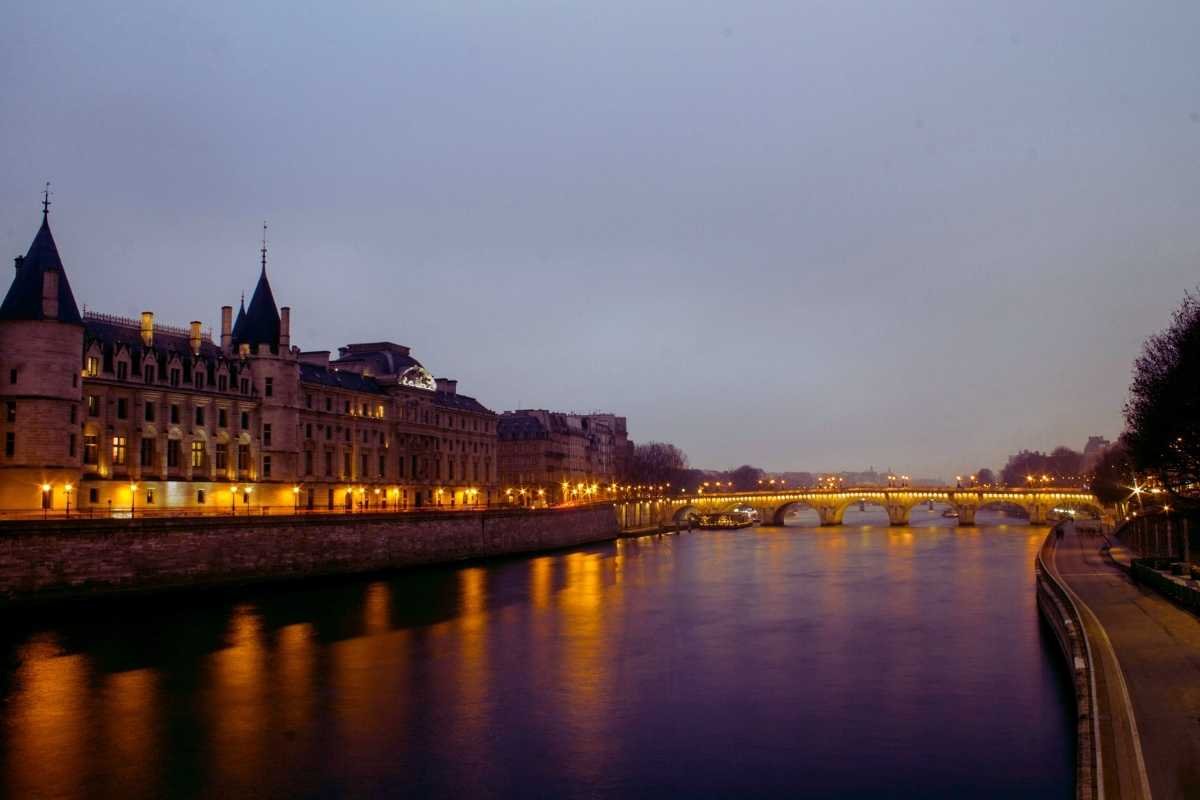
This Paris Winter Budget Guide is written quietly on purpose. No big promises, no dramatic “hack your trip” slogans. Just a calm, serious look at what you really spend in Paris in December and January 2026: on your room, your food, your transport, your museums, your small mistakes, and your tired decisions at the end of long days.
On TripsCity, we already explored winter from different angles. In Christmas in Paris 2025: Markets, Lights & The Complete Winter Guide, we followed the lights and markets. In Things to Do in Paris in January 2026, we walked through the calm days after New Year’s. In Paris Budget Guide 2026, we mapped the year as a whole. This guide is the winter lens: a focused, seasonal look for travelers who want a realistic Paris winter budget 2026, not a theoretical one.
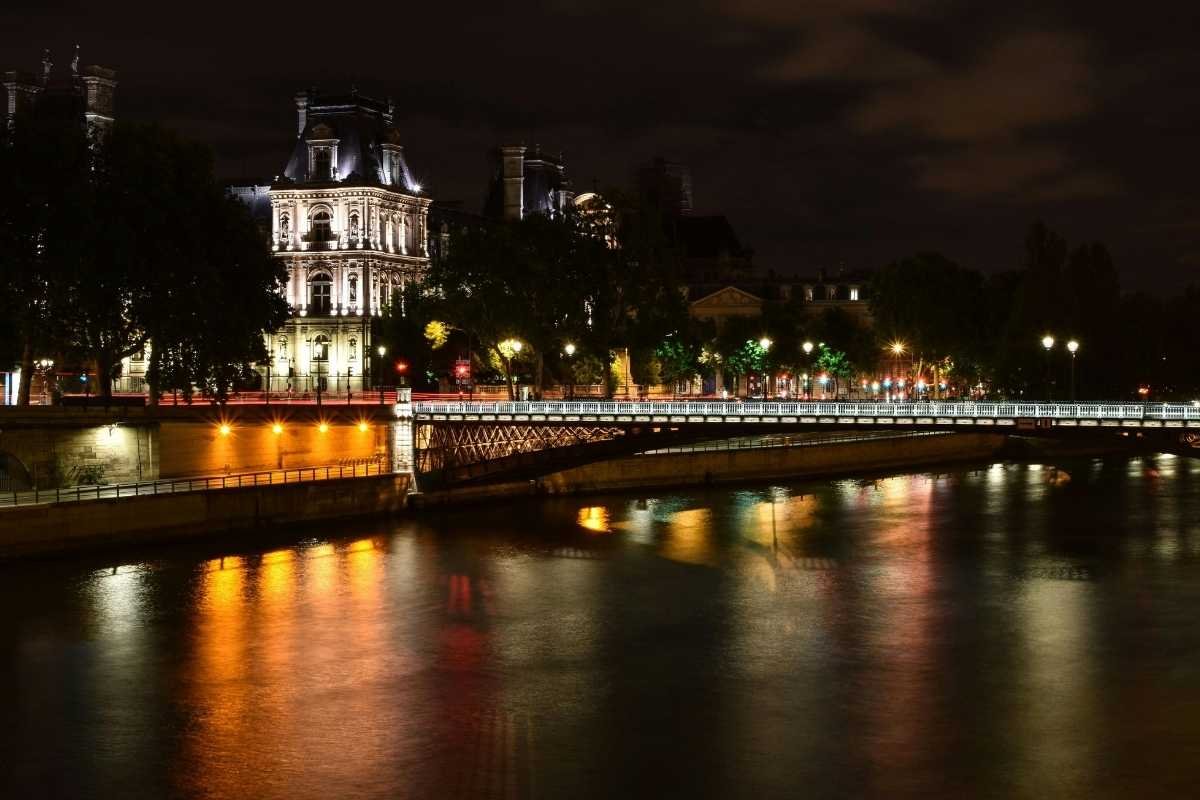
Paris in winter: fewer crowds, softer light, and a budget that behaves differently than in high season.
December and January do not feel the same, and they do not cost the same. Early December can be surprisingly gentle: lower demand, calmer streets, and hotel prices that still remember autumn. Then the city tilts. The last ten days of December turn into a compact high season of their own. New Year’s Eve brings couples, families, and once-in-a-lifetime trips. Prices rise not because rooms suddenly become better, but because the date on the calendar changes. Your Paris winter budget 2026 has to respect that.
January is the opposite movement. The city exhales. Crowds thin. Local life takes back space. Hotel prices soften, museum lines shrink, and the rhythm becomes less about celebration and more about everyday life. For travelers who do not need fireworks, January is often the most honest month to understand how much Paris really costs when it stops pretending.
Money, in winter, is not just about numbers. It is about temperature, daylight, and energy. In summer, you can save by walking for hours and eating outside. In December and January, you will pay more attention to how far your hotel is from the nearest metro station, how warm a café feels, how long you are willing to stay outdoors before you give up and go inside. These small emotional details slowly shape your Paris winter budget, whether you are aware of them or not.

In winter, every extra kilometer you walk or every café you enter is not just about time – it is part of your budget story.
It helps to start with honest daily ranges. A very careful winter traveler, staying in a simple but safe hotel, using only public transport, eating bakery breakfasts and supermarket-based dinners, and choosing mostly free sights with one paid museum here and there, can keep a daily Paris winter budget in the sixty to ninety euro range if they accept real limits.
A more balanced traveler – staying in a modest three-star hotel, using a transport pass, combining bakeries with at least one sit-down meal, and paying for one or two major attractions – usually lands somewhere between one hundred and forty and one hundred and ninety euros per day in December and January. A comfort-focused traveler, who values central locations, taxis when tired, guided tours, and special dinners, can move very naturally into the two hundred and fifty plus range without feeling like they are doing anything extreme.
Those numbers alone, however, do not explain the emotional side. Imagine arriving in Paris on a cold afternoon and seeing frost on the roofs as your train from the airport glides into the city. You may have planned to “save on food” or “walk more”, but after three hours in low temperatures, a warm restaurant stops looking like a luxury and starts feeling like survival. If your budget did not include this emotional reality, every decision will feel like a small fight with yourself.
The goal of this Paris Winter Budget Guide 2026 is not to push you into one category. It is to help you decide consciously: which version of winter Paris are you buying? The answer will shape not just your daily spending, but your feeling of control and comfort while you are here.
In the next parts, we will go deeper into each major cost: accommodation, transport, food, activities, and the small, quiet expenses that most travelers only notice after they come back home. Along the way, we will link to detailed TripsCity guides like Best Time to Visit Paris 2026, Paris Safety Guide 2025 and How to Get Around Paris, because a realistic budget is always connected to where you stay, how you move, and how safe you feel.
Accommodation and your Paris winter budget 2026: When the calendar changes the price
Accommodation is the single most inflexible part of your Paris winter budget. You can skip a museum, swap a restaurant meal for a bakery lunch, or decide to walk instead of taking a taxi. But you cannot simply remove your room. That is why winter planning starts with where you sleep, how far you are from the center, and on which dates you arrive.
In early December, hotel prices often behave like a calm low season. If you book in advance, avoid the most photographic streets, and accept being a few metro stops away from the big monuments, you can find fair three-star rooms in the ninety to one hundred and thirty euro range per night for two people. Combine this with good metro access, and your Paris winter budget 2026 starts from a solid base.
Then come the holiday weeks. From just before Christmas until shortly after New Year’s Eve, the city becomes more expensive not because the rooms improve, but because demand condenses. A room that would quietly sell for one hundred euros in mid-November may be pushed to one hundred and sixty or more on the last nights of December. If your trip includes New Year’s Eve, it is worth reading Where to Stay in Paris for New Year 2026 in detail; that decision alone can add or remove hundreds of euros from your final budget.
January feels like the opposite. Once the fireworks quiet down and visitors go back to work and school, Paris returns to its everyday rhythm. Hotels still want guests. Prices soften. You may find the same room that was out of reach during the holidays settle into a more reasonable range midway through the month. For budget-conscious travelers who still want a real, lived-in Paris, a January visit can be the most intelligent way to experience the city.
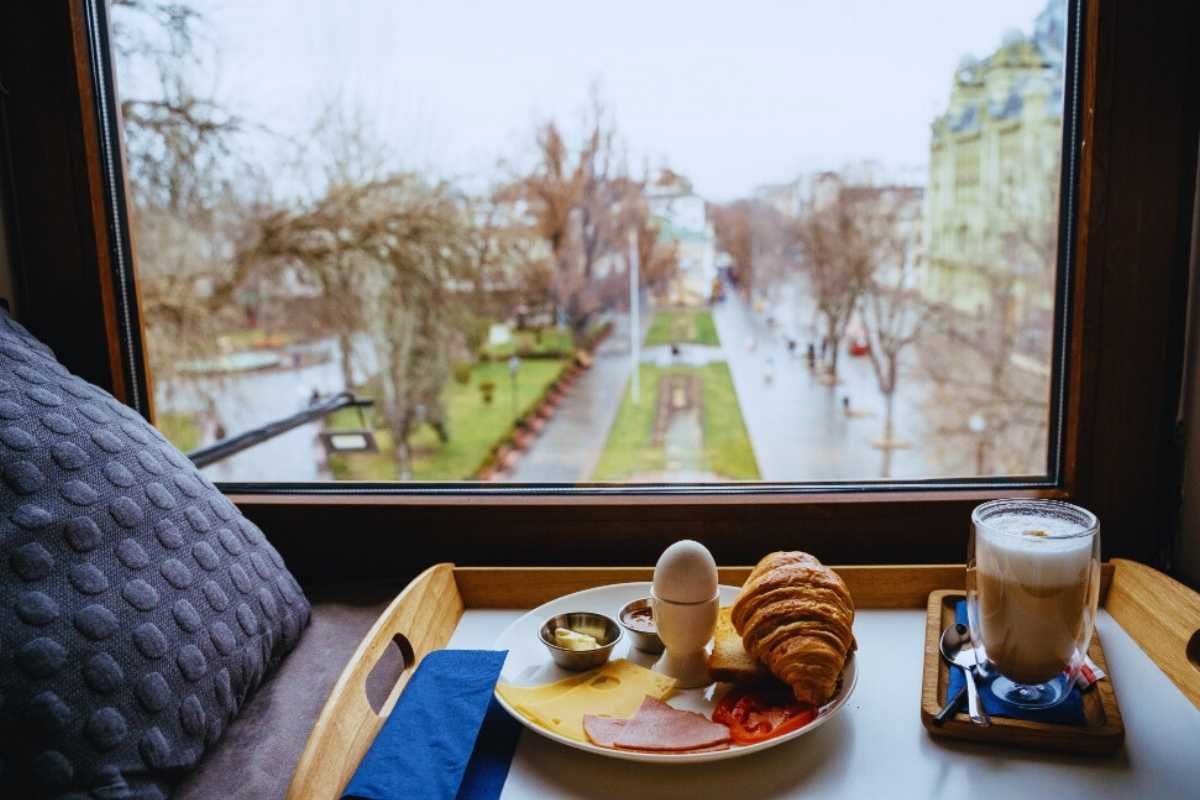
Your room does not have to be luxurious; it has to be honest: warm, safe, and close enough to a reliable metro line.
Neighborhood choice matters as much as the star rating. Our Where to Stay in Paris guide explains the difference between staying near the river, close to the main stations, or in more residential arrondissements. In winter, being near a metro station can matter more than being on a picturesque street, because every extra ten minutes in the cold at night feels longer. The more you understand these trade-offs, the more your accommodation becomes a controlled part of your Paris winter budget, not a random guess.
For many travelers, flexible hotel rates are a form of protection. Booking through a major platform with free cancellation gives you a ceiling price that you can improve if another offer appears, without risking your trip. If you use affiliate links on your own site or in your planning, a subtle link like search winter hotel deals in Paris allows you to centralize your options and keep your budget decisions in one place.
Transport costs in your Paris winter budget 2026
In a winter city, transport is not abstract infrastructure. It is the difference between staying out a little longer to see the lights or giving up early because your fingers are numb. The way you move affects not just your time, but your mood and wallet. A clear transport plan is one of the strongest tools in your Paris winter budget 2026.
Paris is served by metro lines, RER trains, trams, and buses. The official website ratp.fr lists current tickets and passes, but the basic logic remains stable. Single-ride tickets are flexible but more expensive per journey. Passes such as the Navigo options distribute the cost across several days and encourage you to use public transport freely. In cold months, that freedom matters more than you might think when you are still planning from a warm chair at home.
Our How to Get Around Paris guide explains each pass in detail. For winter, one key question is simple: how many times per day do you expect to use the metro or bus? If your hotel is not walking distance from most sights, or you are traveling with children, older relatives, or heavy luggage, planning for more frequent rides is realistic. A pass transforms every metro entrance into a small moment of relief instead of a fresh calculation.
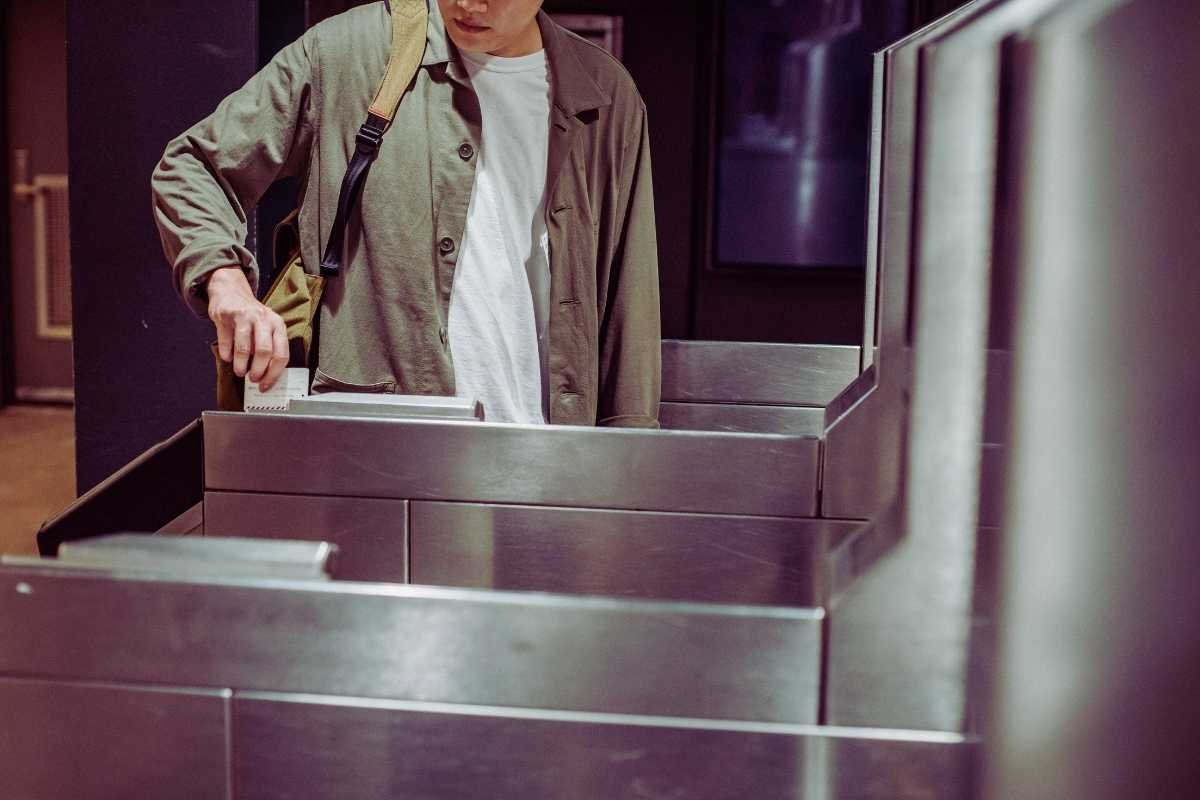
In winter, a transport pass is not only about saving money – it protects your energy and your patience.
Airport transfers are another sensitive part of the Paris winter budget. After a long flight, stepping into cold air with luggage and no clear plan can push even disciplined travelers into expensive last-minute taxis. Our Paris Airport Transfer Guide compares RER trains, airport buses, taxis, and pre-booked services from Charles de Gaulle and Orly.
In December and January, many visitors feel safer and calmer with a pre-booked airport transfer, especially when landing late or traveling as a family. Securing a fixed fare in advance through a reliable company keeps this line of your budget predictable. A quiet solution is using a link like pre-booked Paris airport transfer so that this cost is decided before you arrive, not when you are tired and cold outside the terminal.
Food in winter and your Paris winter budget 2026
Few things in Paris are as emotional as food, and in winter, that emotion intensifies. Cold amplifies hunger. Darkness brings a different kind of tiredness. The moment you open a café door and the warm air hits your face, you are no longer just buying a meal; you are buying shelter from the season. Your Paris winter budget 2026 needs space for that.
In our Paris Food Guide 2026, we go deep into dishes, areas, and price ranges. In winter, the question is slightly different: how do you eat in a way that keeps you warm, satisfied, and sane without losing control of your spending?
Breakfast can remain simple. A coffee and a pastry from a bakery may still sit comfortably in the four to seven euro range, depending on the area. If your hotel includes breakfast and the quality is acceptable, using it fully can free more of your daily budget for lunch and dinner. Many winter travelers underestimate how comforting a second hot drink can be in the late morning; leaving a small margin for that in your daily plan reduces feelings of guilt later.
Lunch is often where balance lives. A fixed-price menu in a neighborhood brasserie, away from the loudest tourist zones, can offer a warm, complete meal for fifteen to twenty-five euros per person. If you stretch your lunch slightly and keep dinner lighter – perhaps with supermarket items, a bakery snack, or a simple plate in a modest café – you may find that your overall food budget feels more sustainable.

A quiet, well-priced winter lunch in a neighborhood bistro can anchor your whole day – both emotionally and financially.
Dinner is where people most often lose control of their Paris winter budget. After a day of wind, rain, or low temperatures, the idea of “proper dinner” becomes emotionally loaded. You may suddenly feel that anything less than a full restaurant experience is a failure, even if your budget quietly disagrees. Planning one or two special dinners in advance – with reservations in places that match your price level – helps you avoid last-minute, over-priced choices in the most touristic streets.
If you like planning ahead, you can use a trusted booking platform to reserve a few key meals through a link such as book a cozy winter dinner in Paris. This does not mean turning your trip into a schedule. It simply means you decide now, in a calm moment, what your “big meals” will be, so that future you, tired and cold, does not have to negotiate with your wallet in front of a menu.
Christmas markets and seasonal stands add one more layer. They are atmospheric, bright, and often more expensive per bite than a local bakery. A hot chocolate or snack in a Christmas market near the Tuileries or La Défense is not a financial disaster, but returning every night quickly accumulates. That is why in our Christmas in Paris guide, we suggest treating markets as a special outing, not your primary food source. The same principle protects your winter budget: enjoy them intentionally, not by default.
Activities and Attractions: Using Winter to Your Advantage
Winter changes how you spend your time in Paris, and with it, how you spend your money. Shorter days and colder evenings naturally push you toward museums, galleries, and indoor experiences. For a smart Paris winter budget 2026, this can be an opportunity rather than a problem – if you plan your visits with care.
The Louvre, Musée d’Orsay, Sainte-Chapelle, and many other monuments stay open through the season. Official sites like louvre.fr and the Paris tourist office at en.parisinfo.com publish up-to-date opening times and ticket information. The Paris Museum Pass, which we analyzed in detail, becomes particularly interesting in winter, when you are likely to spend more full days inside cultural spaces.
If you group several major sites into two or three concentrated days – for example the Louvre, Orsay, Sainte-Chapelle, the Arc de Triomphe, and the Orangerie – a pass can reduce not just costs but mental friction. You no longer stand at each entrance recalculating ticket prices. You simply go in. In winter, when you want to limit time spent standing still in cold lines, that simplicity has a quiet value of its own.

Winter turns famous museums from crowded checklists into calmer rooms where your ticket finally has space to breathe.
Outdoor icons behave differently. The Eiffel Tower is still the Eiffel Tower, but the wind at the top can be sharp, and standing in line without preparation can instantly feel like a bad decision. Our Eiffel Tower 2026 Guide explains how to choose time slots and ticket types. In winter, a timed-entry or skip-the-line option is less about bragging rights and more about limiting exposure. Booking through a reliable partner using a link like Eiffel Tower skip-the-line ticket stabilizes the cost and reduces the time your budget spends shivering in a queue.
Seine river cruises change tone in winter too. Enclosed, heated boats turn the city into a moving film outside the glass. Ticket prices usually remain stable year-round, but in winter, the contrast between the warm interior and the cool city can make the cruise feel like a better emotional return on investment. If you decide to include it, reserving a time slot in advance through a link such as Seine River cruise in Paris keeps this line of your Paris winter budget under control.
Day trips require extra thought. Our Palace of Versailles Day Trip 2026 guide describes how weather impacts the balance between the château interiors and the gardens. In winter, you may spend less time wandering outside and more time in the main building. That can shift the kind of ticket or tour that feels worthwhile. The same logic applies to Disneyland Paris, where outdoor rides and shows may be less comfortable in certain conditions. On a limited winter budget, you might choose one major day trip and invest properly in it, instead of scattering your money across several half-satisfying excursions.
Hidden costs and quiet leaks in your Paris winter budget 2026
Every Paris winter budget 2026 has two layers. The first is visible: hotel bookings, flight confirmations, museum passes, airport transfers. The second is made of tiny, repeated decisions scattered across each day. Alone, they look harmless. Together, they decide whether you return home feeling in control or slightly uneasy about how much you spent.
City taxes on accommodation belong to the first group of hidden but predictable items. Many hotels list a per-night, per-person tourist tax that you pay on arrival or at check-out. The amount is not dramatic, but over a week it becomes noticeable. Reading that line consciously before you confirm your booking can prevent the small shock of a “forgotten” cost at the end of your stay.
Paid toilets, cloakrooms, and storage lockers are part of the second group. In warmer seasons, you may spend more time in parks, open-air spaces, and areas with free public facilities. In winter, you naturally seek interior spaces: cafés, museums, shopping galleries. Each of these may carry its own small fee for using the bathroom without ordering, leaving a bag, or hanging a coat. For a solo traveler, this remains a quiet detail. For a family, it multiplies. Allowing a modest daily margin for these micro-expenses in your Paris winter budget reduces the feeling that you are “constantly paying for something” during the trip.
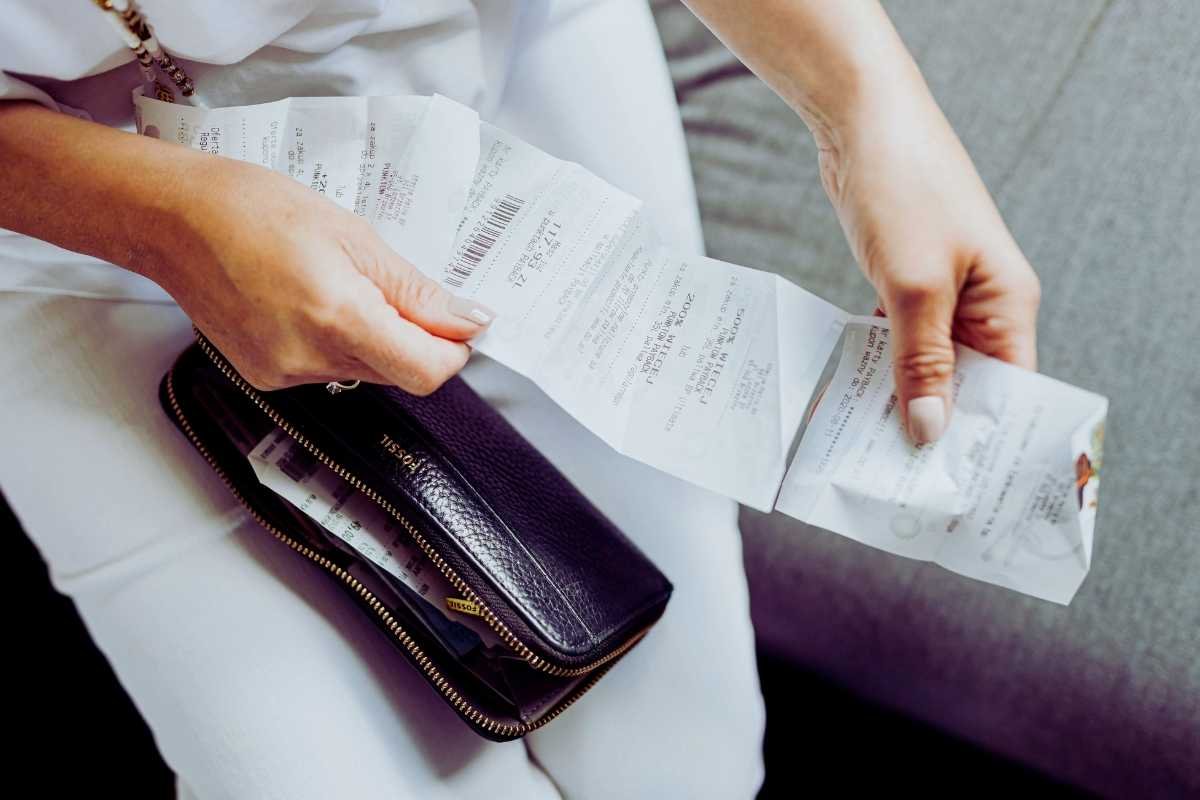
Most winter budgets do not explode because of one big decision; they slowly dissolve through many tiny, unplanned ones.
Clothing is another quiet variable. If you under-pack for winter, Paris will sell you warmth at local prices. Gloves, scarves, thicker socks, and even emergency coats can turn into unplanned purchases, especially during the January sales. For some travelers, this is a welcome opportunity; for others, it is a stressful surprise. The more realistically you pack using guides like our January article and seasonal advice in Best Time to Visit Paris 2026, the more your money remains available for experiences instead of emergency shopping.
Finally, there are the costs of mistakes. Boarding the wrong RER train from the airport. Taking an unofficial taxi. Falling for a simple street scam. Choosing a restaurant that looks “typically Parisian” but charges aggressively for mediocre food. Our Paris Safety Guide and Airport Transfer Guide exist partly to protect your wallet from these avoidable situations. Reading them before you arrive is one of the cheapest investments you can make.
FAQ: Real Questions About the Paris Winter Budget 2026
Is Paris really cheaper in January than December for most travelers?
For many visitors, yes. Flight prices depend on your departure city, but within Paris, hotel rates and crowd-related costs usually ease in January. Restaurants and museum tickets do not suddenly become cheap, yet the overall pressure drops. If you are flexible and your main goal is a calmer, more affordable version of Paris, a January trip often makes your Paris winter budget feel more forgiving than a stay around Christmas or New Year’s Eve.
How many days do I need in winter to make my budget feel “worth it”?
Four to five full days usually give winter travelers a good balance. Our 4-day and 5-day itineraries show how to structure that time. Shorter trips can feel compressed and more expensive per day because fixed costs like flights and transfers are spread over fewer nights. Longer trips reduce the daily pressure but require a stronger overall budget.
Can I visit Paris in winter on a very low budget without ruining the experience?
It is possible, but it demands honesty. A strict Paris winter budget 2026 in the sixty to ninety euro per day range will push you toward simple accommodation, heavy use of public transport, bakery-based meals, and a small number of paid attractions. If you accept that shape of trip – quiet walks, self-guided explorations, and a focus on atmosphere more than consumption – the experience can be deeply rewarding. If you want frequent restaurants, taxis, and multiple guided tours, you will need a higher range to avoid constant frustration.
Do I need special insurance or extra safety spending because it is winter?
Season does not change the basics of travel insurance or common-sense safety. What winter does is add more risk of delays, cancellations, and weather-related disruptions. A comprehensive policy that covers flights, accommodation, and basic medical needs is wise for any season. In terms of street safety, the advice in our safety guide applies year-round: stay aware, use official transport, and avoid obvious traps around major tourist sites.
Are Christmas markets and New Year’s Eve events worth the extra cost?
They are worth it if you want that specific memory. Markets, special dinners, and ticketed New Year’s Eve events often carry clear premiums. If these moments are central to your idea of winter in Paris, it makes sense to allocate a dedicated part of your budget instead of fighting them. If you simply want a quiet, seasonal atmosphere without large crowds and surcharges, early December or mid-January will often give you a calmer, cheaper experience that aligns better with a controlled Paris winter budget.
Conclusion: Choosing the Winter Paris You Can Afford to Love
Paris in December and January 2026 is not a discounted copy of the “real Paris”. It is a different city. The light is lower. The streets are slower. The conversations inside cafés are longer. Some travelers will never feel comfortable in that version, and that is fine. But if you are drawn to quiet, to space, to a city that stops performing and simply exists, winter may be the only time when Paris feels honest to you.
Your Paris winter budget is not a punishment. It is a framework that lets you say yes to what matters without fearing every small decision. Once you understand how accommodation prices bend around Christmas and New Year’s Eve, how transport passes protect your energy, how food costs respond to your emotional state, and how museums and day trips behave in the cold months, you move from guessing to choosing.
Use this guide together with the rest of the TripsCity cluster – the Christmas article, the January guide, the year-round budget guide, the airport transfer guide, and the complete city overview. Together, they form not just information, but a structure for a trip that respects both your money and your inner pace.
In the end, the most important number is not the total you spend. It is the answer to a quieter question you will ask yourself months later: “Did I give myself the version of Paris I truly wanted, without destroying my peace of mind?” If this guide helps you say yes to that, then your Paris winter budget 2026 did its real job.